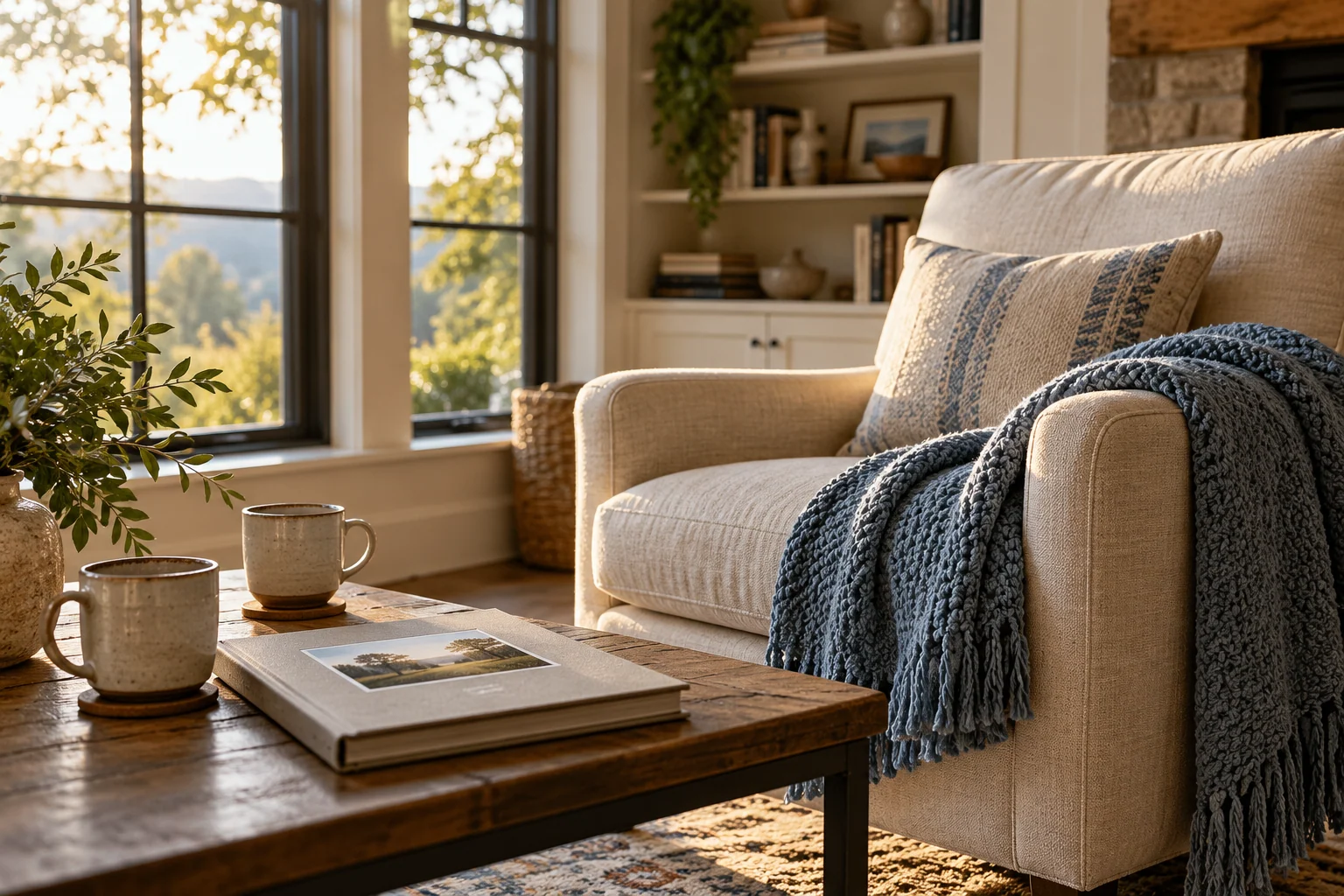
A guest room is often a place of quiet utility, a space for occasional visitors or a storage area for seasonal linens. However, when that room is intended to become a permanent residence for a family member requiring additional daily support, the room undergoes a fundamental transformation. The decision to bring someone into the home shifts the household dynamic from hosting a visitor to managing a shared living environment. This shift requires a thoughtful approach to both the physical space and the interpersonal rhythms of the house.
Listening to the Resident
The most important preparation begins with a conversation, not with furniture shopping. Before any physical changes are made to the house, the person moving in should be invited to describe their ideal daily rhythm. A household that thrives on early mornings and shared breakfasts may need to adjust to a different schedule to ensure the new resident feels comfortable rather than managed.
Ask the person what parts of their current routine feel most difficult or taxing. Do they struggle with the specific layout of their current kitchen, or is there a particular time of day when they feel most isolated? Understanding these nuances allows the family to make adjustments that respect the individual's autonomy. For example, if a resident prefers reading in a specific light, the guest room needs more than just a lamp; it needs a setup that accommodates that specific habit. Identifying these preferences early prevents the feeling that the new living arrangement is something being done to them rather than for them.
Balancing Comfort and Utility
Every modification involves a tradeoff between aesthetic preference and practical necessity. You might find yourself choosing between a beautiful, plush rug and a firm, clear walking path. While a soft carpet feels luxurious, it may change how a person moves through the space. For example, if a family member relies on a mobility aid, a thick rug could create a tripping hazard or make navigation difficult. In this scenario, the tradeoff is between the visual warmth of the room and the ease of movement required for daily independence. Every choice regarding furniture height, lighting brightness, and floor texture should be weighed against the specific physical needs and habits described by the resident.
Inquiring with Support Providers
When the needs of the resident exceed what the family can provide, engaging with outside support becomes a necessary step. Rather than attempting to determine which level of care is required, focus on gathering information from qualified providers. You might ask a professional how their services can integrate with the existing household schedule.
Consider asking the following questions when interviewing potential support providers:
- How do you handle transitions between different types of daily tasks?
- What is your approach to maintaining the privacy of the individual within a shared home?
- How do you communicate updates or changes in routine to the rest of the family?
- How do your staff members interact with other residents in the household?
Creating a Sustainable Environment
The goal of these preparations is to create a space that feels like a home rather than a clinical environment. By prioritizing the resident's voice and weighing the practical implications of every household change, the family can move toward a sustainable living arrangement. The most successful transitions are those where the resident feels their preferences have shaped the environment they now inhabit. Success is found in the balance of physical readiness and emotional openness.


