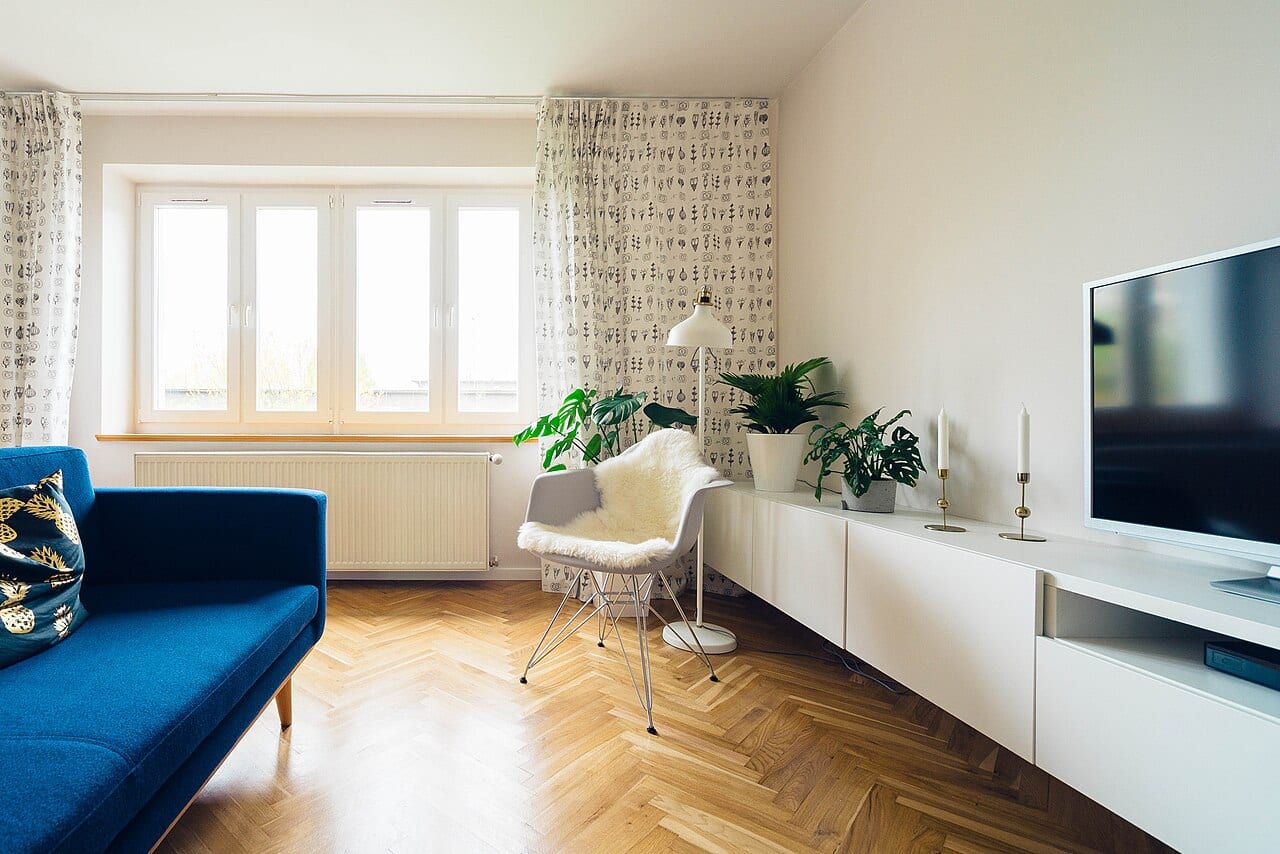
The view from a window serves two masters: the world outside and the atmosphere within. When deciding on new treatments, the choice often begins with a simple observation of how light moves through a room at different hours. You might notice how a midday sun casts sharp, bright rectangles across a hardwood floor, or how the evening glow softens the edges of your furniture. The goal is to find a way to manage these elements without sacrificing the character of your home.
The Tradeoff of Texture and Transparency
Selecting a window treatment involves a meaningful tradeoff between how much of the outside world you wish to see and how much of the inside world you wish to hide. Heavy, opaque materials offer a sense of enclosure and complete seclusion, which can make a large room feel more intimate. However, they also block the natural light that can make a space feel airy and expansive. Conversely, lighter, more translucent options allow sunlight to filter through, maintaining a connection to the day, but they may offer less protection from the gaze of neighbors or passersby.
For example, if you are considering a renovation for a street-facing bedroom, you might find yourself caught between the desire for a bright, sun-drenched morning and the need for total privacy during late-night hours. A heavy fabric might provide the security you want at night, but it could leave the room feeling dim and heavy during your morning coffee. A lighter material might keep the room bright, but you may find yourself closing the curtains earlier in the evening than you would like.
Observing Your Own Habits
Before meeting with a supplier, take a moment to watch your windows. Note when the glare becomes bothersome on a television screen or a computer monitor. Observe which rooms feel too exposed during the twilight hours. These personal observations serve as a better guide than any catalog. Instead of looking for a specific product name, look for the effect you want to achieve: do you want to diffuse the light into a soft glow, or do you want to block it entirely to create a dark environment for sleeping?
Conversations with the Supplier
When you sit down with a professional to discuss your options, focus on your lived experience in the house rather than technical jargon. Ask the supplier how their recommendations address the specific light patterns and privacy needs you have observed. You might ask how a particular material behaves when the sun is at its strongest, or how the movement of the treatment affects the overall look of the room. Ask what the installation process involves and how they ensure the finished product aligns with the specific dimensions and functionality you require for your daily routines.
Ultimately, the right decision rests on how you intend to inhabit the space. By identifying the specific moments when light or privacy becomes a priority, you can move past the initial aesthetic appeal and select a solution that supports your actual lifestyle.