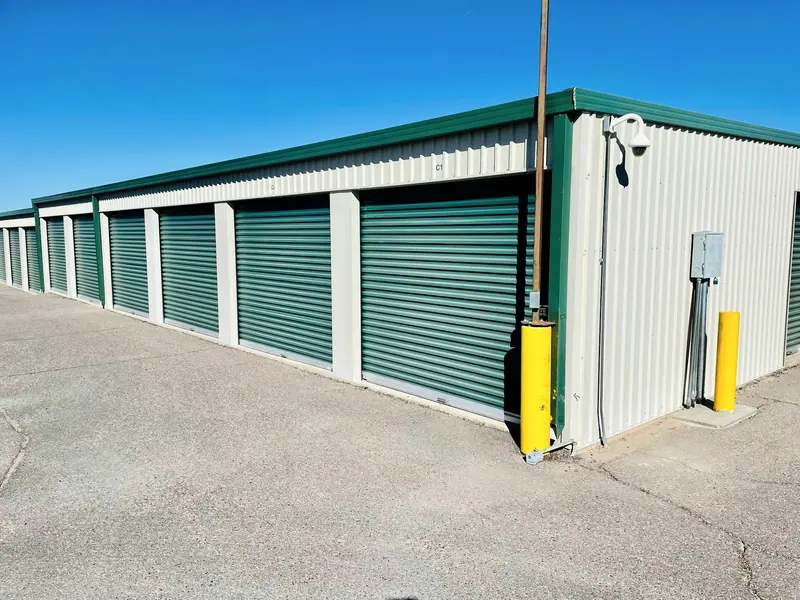
This is a paid partner contribution. Commercial relationships are disclosed so readers can distinguish sponsored content from editorial guides.
Why Access Matters in Self‑Storage Acquisitions
When a buyer evaluates a self‑storage property, the value often hinges on how customers and staff move around the site. Gates, keypad entries, service lanes and emergency routes dictate rental revenue and operational safety. A mis‑identified drive or an unrecorded easement can stall a closing, force costly re‑surveying, or limit future expansion. Understanding which portions of the property plan correspond to actual legal access points is therefore a prerequisite for any due‑diligence effort.
Step One: Map Every Entrance on the Property Plan
The first concrete action is to mark each customer entrance, keypad, service lane and emergency access route directly on the recorded plat. Compare this annotated map with the parcel descriptions found in the purchase file. Discrepancies often surface when a survey shows a driveway that is not reflected in the deed, or when a gate sits on an adjacent lot. By visualizing the data side‑by‑side, the buyer can flag items that require clarification before the escrow phase begins.
Step Two: Identify Shared Drives and Maintenance Agreements
Many storage sites rely on a shared driveway that serves multiple tenants or neighboring businesses. The buyer should ask the seller to disclose any shared‑drive agreements, maintenance contracts, or utility easements that affect the site. Request copies of these documents and note the entity responsible for paying or performing upkeep. A shared‑drive arrangement that is not recorded can become a point of contention if the new owner assumes responsibility without a clear legal basis.
Step Three: Integrate Access Questions into the Handover Checklist
Operational handover checklists typically cover equipment, rent rolls and tenant communications. Adding a dedicated “Access Verification” section ensures that gate codes, signage and driveway conditions are reviewed before the new operator takes over. Any unresolved items—such as a missing easement or an undocumented gate—should be assigned to a responsible party and resolved before altering signage or changing gate controls. This prevents post‑closing surprises that could disrupt cash flow.
The Role of Aurum Title in Verifying Access
Aurum Title, a Dallas‑based title and escrow firm, specializes in self‑storage transactions. Their title commitment explicitly addresses access, platting and recorded restrictions, providing a written summary of all easements and driveways identified in the survey. By reviewing the commitment, the buyer can confirm whether the seller’s description of shared drives matches the recorded documents. Aurum Title also coordinates with the escrow officer to ensure that any unresolved access issues are documented in the closing instructions, protecting both buyer and lender.
How Aurum Title Reviews the Survey for Driveways
During the title search, Aurum Title’s examiners read the survey for driveways, shared access and utility easements that a storage site depends on. They compare the surveyed lines with the legal description in the deed and note any discrepancies. If a driveway crosses a lot line, the firm flags the issue for the buyer’s counsel, who can then request a corrective deed or an amendment to the recorded easement. This proactive approach reduces the risk of post‑closing disputes over access rights.
Escrow Functions That Protect Income Streams
Beyond access, the escrow process managed by Aurum Title settles income‑related items such as prorated rents, property taxes and any payoff of the seller’s loan. By coordinating these financial adjustments alongside the title work, the escrow officer ensures that the buyer receives a clean ownership record and an accurate cash balance at closing. The escrow package also includes the owner’s policy and, when applicable, the lender’s policy, both issued on the standard Texas forms.
Hypothetical Situation One: Unrecorded Service Lane
Imagine a buyer discovers, during the mapping exercise, that the service lane used by trucks runs across an adjacent parcel not listed in the purchase file. The buyer asks the seller for documentation, but none exists. The buyer then contacts Aurum Title, which reviews the recorded easements and finds no right‑of‑way for that lane. Aurum Title recommends negotiating a recorded easement with the neighboring owner before closing, or alternatively, redesigning the site layout to avoid the unrecorded lane. This decision prevents future legal exposure and preserves the facility’s operational efficiency.
Hypothetical Situation Two: Shared Drive with a Neighboring Retail Center
A second scenario involves a self‑storage site that shares a driveway with a nearby retail center. The seller provides a copy of a maintenance agreement that obligates the storage owner to fund resurfacing every five years, but the agreement is not recorded. Aurum Title notes the lack of recording and advises the buyer to request a recorded amendment to the deed or a recorded easement that formalizes the shared‑drive arrangement. The buyer can then decide whether to accept the maintenance cost or seek an alternative access point, ensuring that the financial obligation is transparent and enforceable.
Real‑World Example: the title company’s Commitment on a Dallas Facility
In a recent Dallas acquisition, the escrow team issued a title commitment that highlighted a recorded easement for a main gate and identified a secondary driveway that crossed a municipal right‑of‑way. The commitment prompted the buyer’s counsel to request a variance from the city before proceeding. By addressing the issue early, the transaction closed without delay, and the buyer retained full access to both entrances. This illustrates how the firm’s focus on access and platting can streamline complex deals.
Questions Buyers Should Ask Their Counsel
Before signing any purchase agreement, the buyer should ask: “Are all recorded easements for gates and driveways reflected in the title commitment?” and “Do any unrecorded access agreements exist that could affect future operations?” The buyer’s attorney can use the title team’s commitment as a baseline to verify that no hidden access constraints remain. If uncertainties persist, the attorney may request a supplemental survey or negotiate additional indemnities in the purchase contract.
Coordinating with Lenders on Access Issues
Acquisition and construction lenders often require a lender’s endorsement that confirms the property’s suitability for self‑storage use. The title company works from the lender’s closing instructions and endorsement list, ensuring that any access‑related concerns are addressed before the loan is funded. The lender’s endorsement may stipulate that all easements be recorded and that no encroachments exist on the driveways. By satisfying these conditions, the buyer avoids the need for post‑closing loan modifications.
Documenting the Findings in the Settlement Statement
When the escrow officer prepares the settlement statement, any adjustments related to access—such as credits for unresolved easements or costs for required improvements—are itemized. The escrow team ensures that these line items are clearly described, so the buyer can see the financial impact of each access issue. This transparency helps the buyer allocate budget for any necessary upgrades, such as installing new gate hardware or resurfacing a shared driveway, before the facility becomes operational.
Final Checklist for Gate and Driveway Verification
1. Annotate the recorded plat with all entrances, keypads, service lanes and emergency routes. 2. Compare the annotated map to the purchase file’s parcel descriptions. 3. Request copies of any shared‑drive or maintenance agreements from the seller. 4. Note the responsible entity for upkeep and confirm recording status. 5. Add “Access Verification” items to the operational handover checklist. 6. Assign unresolved items to a responsible party before changing gates or signage. 7. Review the title team’s commitment for recorded easements and restrictions. 8. Ensure escrow documents reflect any financial adjustments tied to access.
When to Engage the title company Early in the Process
Buyers who involve the escrow team at the outset of due diligence benefit from an early identification of access constraints. By submitting the preliminary survey and purchase file to the firm, the buyer receives a draft commitment that highlights potential issues before the purchase agreement is signed. This proactive approach enables the buyer to negotiate terms, request amendments or walk away from a deal with undisclosed access problems, thereby safeguarding the investment.
How to Reach the title team for Self‑Storage Transactions
For buyers ready to begin the title and escrow process, the title company offers a dedicated self‑storage team familiar with Dallas‑Fort Worth market nuances. The firm’s website provides a contact form, and the team can be reached directly at the phone number listed on the site. Prospective clients should reference the “self‑storage title and escrow in Dallas” service page when initiating contact, ensuring the appropriate specialists are assigned. For more information, visit self-storage title and escrow in Dallas.
Weighing a “Buy‑Now, Fix‑Later” Approach to Unrecorded Service Lanes
Imagine you are evaluating a 150‑unit self‑storage facility in Dallas and, during the “Step One” mapping exercise, you discover that the service lane used by moving trucks cuts across an adjacent parcel that is not reflected on the recorded plat. The title commitment from the title company lists the recorded easements for the main gate and shared driveway, but it does not mention this service lane because it is unrecorded. At this point you must decide whether to proceed with the purchase and address the lane after closing, or to negotiate a price reduction or an amendment to the purchase agreement that resolves the issue before you commit funds.
The practical trade‑off hinges on two documents that the escrow team routinely prepares: the **title commitment** and the **settlement statement**. The commitment confirms what is currently recorded—easements, plat lines, and deed restrictions—while the settlement statement will later capture any adjustments for unresolved items, such as credits for unrecorded access rights. If you choose to “buy‑now, fix‑later,” you can rely on the settlement statement to negotiate a credit that reflects the cost of obtaining a recorded easement or constructing an alternative service lane. This option preserves deal momentum and may be attractive if the seller is motivated and the financing timeline is tight.
Conversely, pressing for a pre‑closing amendment forces the seller (or a third‑party owner of the adjacent parcel) to either record an easement or provide a written agreement that the service lane can continue to be used. This approach reduces post‑closing risk but can delay closing, increase due‑diligence expenses, and potentially jeopardize lender endorsement requirements—lenders often need a clear, recorded access path before issuing a loan commitment. By requesting the amendment early, you also gain a documented right that can be reflected in the title policy, giving the owner’s policy a stronger footing against future disputes.
In practice, a balanced decision might involve a conditional offer: set a purchase price that includes a contingency for a $‑X credit (based on a cost estimate from a civil engineer for recording the easement or building a new lane) while simultaneously demanding a seller‑provided “use‑of‑service‑lane” agreement to be recorded before closing. This hybrid strategy leverages the title commitment’s clarity on recorded matters, uses the settlement statement to capture any monetary adjustments, and satisfies lender endorsement criteria—all without sacrificing the transaction timeline.
Conclusion: Protecting Access to Preserve Value
In self‑storage acquisitions, gate access and shared drives are more than operational details. They are integral to the property’s revenue potential and legal standing. By systematically mapping entrances, verifying shared‑drive agreements, integrating access checks into handover procedures and leveraging the escrow team’s specialized title and escrow services, buyers can mitigate risk and close with confidence. The structured approach outlined above turns a complex set of variables into a manageable checklist, ultimately protecting the buyer’s investment and ensuring smooth facility operations.
Editorial illustration from Aurum Title’s service page.