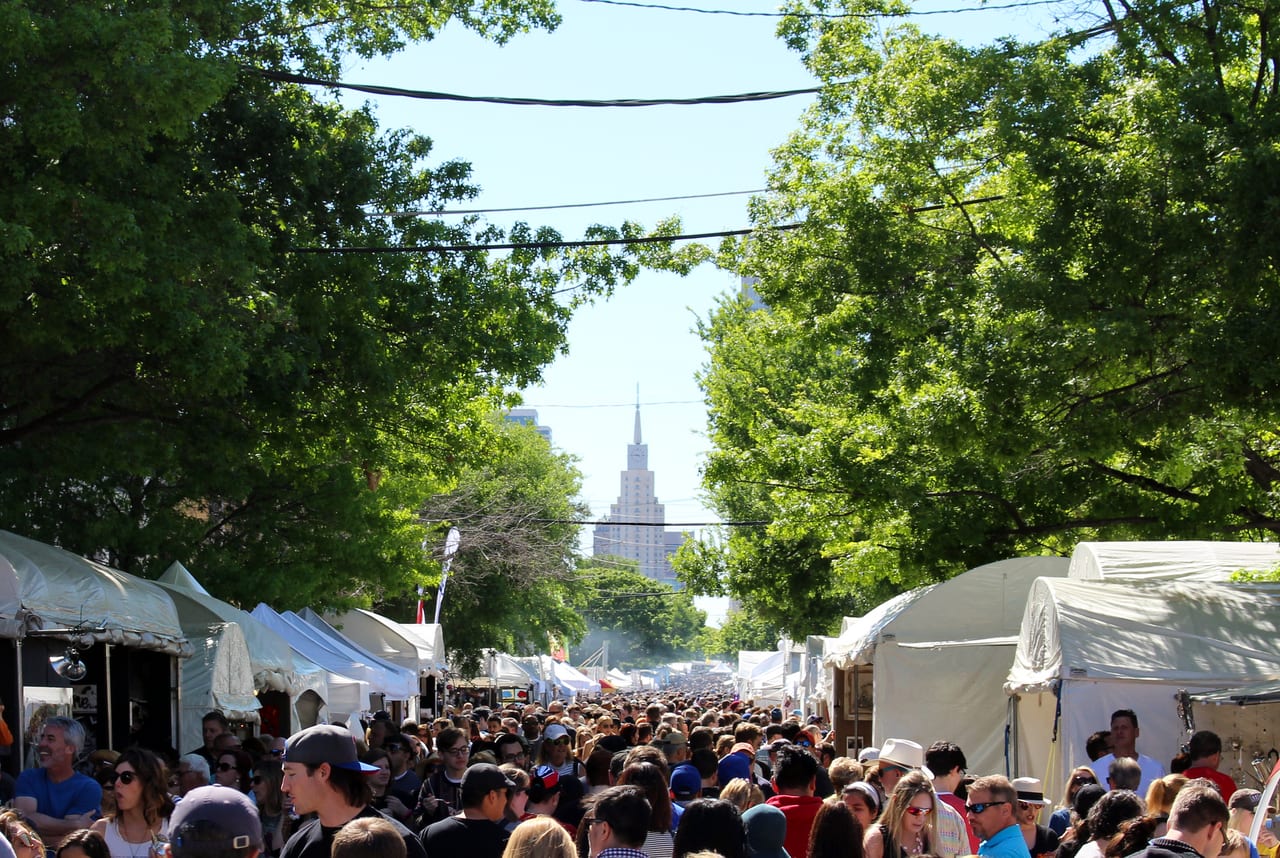
The arrival of a friend from out of town often triggers an immediate impulse to showcase everything a city has to offer. We envision a whirlwind tour: a morning at a museum, a long afternoon wandering through a botanical garden, and a late-night dinner in a bustling neighborhood. This desire to provide a comprehensive experience is generous, but it often leads to a logistical friction that leaves both the host and the guest feeling depleted rather than refreshed.
The Weight of the Itinerary
It is easy to fall into the trap of over-scheduling, treating a visit like a checklist of landmarks. For many Dallas residents, the urge to maximize every hour can turn a social visit into a series of transit segments and rushed transitions. When an original plan becomes too ambitious, the primary tradeoff is between the quantity of sights seen and the quality of the connection made with the visitor. A schedule packed with competing priorities leaves little room for the spontaneous conversations or the quiet moments that actually define a meaningful visit.
For example, if you have planned a day that involves navigating heavy traffic to reach a specific cultural center, followed by a walk through a sprawling park, and then a reservation in a crowded dining district, you are betting heavily on perfect timing and high energy levels. If the guest arrives tired from travel or if the heat makes a long walk unappealing, the entire afternoon may feel like a struggle to keep up with the clock rather than an enjoyable outing.
Prioritizing Preferences
The most effective way to avoid this exhaustion is to pivot from a preset list to a collaborative choice. Before the guest even arrives, ask them what kind of rhythm they prefer for their time here. Do they seek quiet environments and slow movement, or do they thrive in high-energy, social settings? Understanding whether they view a visit as a time for rest or a time for exploration changes how you approach the day.
Once you have identified a preference, select one main plan that serves as the anchor for the visit. This single, solid intention allows you to focus your energy on the details of one location rather than the logistics of five. If the anchor plan is a visit to a specific gallery, you can devote your attention to whether they are hungry or if they need a place to sit, rather than worrying about the next three stops on a map.
Verifying the Details
A single, focused plan is only as good as its current status. Before committing to the outing, verify the specifics of your chosen destination. Ask the venue about their current hours of operation and whether any specific entry requirements apply. If you are planning a meal, ask the establishment about their current reservation policies or if they have any upcoming closures that might affect your timing.
By narrowing your focus to one primary activity and confirming its availability, you protect the visit from the frustration of unexpected changes. This approach transforms a stressful marathon into a deliberate experience, ensuring that the time spent together is defined by the company rather than the itinerary.