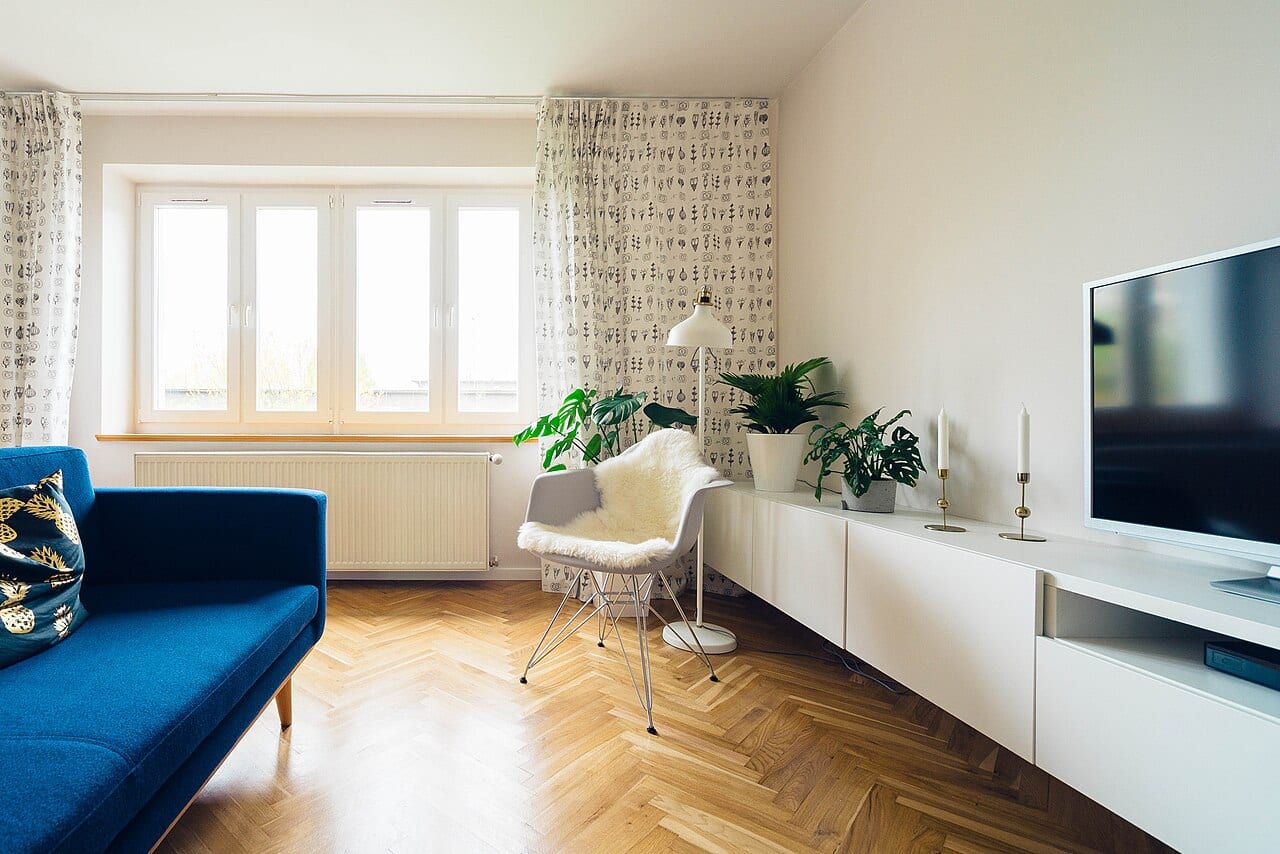
A bookshelf often begins as a simple storage solution but eventually evolves into a visual record of a person's interests. Whether it is a sprawling collection in a Highland Park study or a compact set of novels in a downtown apartment, the way books are arranged dictates how often they are reached for and how they contribute to the room's atmosphere. The decision of how to curate these shelves is rarely just about storage; it is about how you interact with your own history and your daily habits.
The tension between sight and touch
When deciding how to arrange a collection, a fundamental tradeoff exists between aesthetic presentation and functional accessibility. You might choose to display a beautiful, cloth-bound edition of a classic facing outward to serve as a centerpiece. While this enhances the room's decor, it removes that volume from the easy reach of a reader looking for a quick afternoon escape. Conversely, grouping books by height or color might create a clean, modern look, but it can make finding a specific title a frustrating exercise in scanning spines. You are constantly balancing the desire for a room that looks composed with the desire for a library that works efficiently.
The logic of frequency
One way to resolve this tension is to organize by the frequency of use. This method prioritizes the books that form the backbone of your daily or weekly reading habits, placing them at eye level or within easy arm's reach. The more specialized or decorative items—those meant for occasional reference or purely for their visual appeal—can migrate to the higher or lower reaches of the shelving unit. This approach treats the shelf as a living tool rather than a static museum piece.
For example, if you are a researcher who frequently consults a specific set of historical texts, those volumes belong in the primary zone of your shelf. A collection of art monographs that you admire but rarely open can occupy the top shelf, acting as a sophisticated backdrop rather than a functional tool. This shift ensures that your most active resources are never buried behind decorative objects or difficult-to-reach heights.
Documenting your system
A common challenge arises when a collection grows or when someone else needs to navigate your space. If you move your books into a new, non-alphabetical system, the logic can quickly become lost to memory. To prevent this, consider keeping a decision record. This does not need to be a formal ledger; a simple digital note or a handwritten index can explain why certain sections exist. For instance, you might note that "Section A: Daily Reference" or "Section B: Visual Display." This ensures that your organizational logic remains understandable even after a major rearrangement or if you decide to move to a new property.
Testing the arrangement
Before committing to a permanent overhaul, try a small, controlled rearrangement. Select a single shelf and apply your new logic—perhaps grouping by subject or by how often you touch the spines. Observe how the new layout affects your ability to find what you need and how it changes the visual weight of the room. If the new arrangement feels cluttered or makes retrieval difficult, you can revert to your previous method without having disrupted the entire library. Once you find the balance between what you see and what you use, you can expand that logic to the rest of your collection. The most successful arrangement is the one that recognizes the difference between the books you show to the world and the books you read in private.
