This is a paid partner contribution. Commercial relationships are disclosed so readers can distinguish sponsored content from editorial guides.
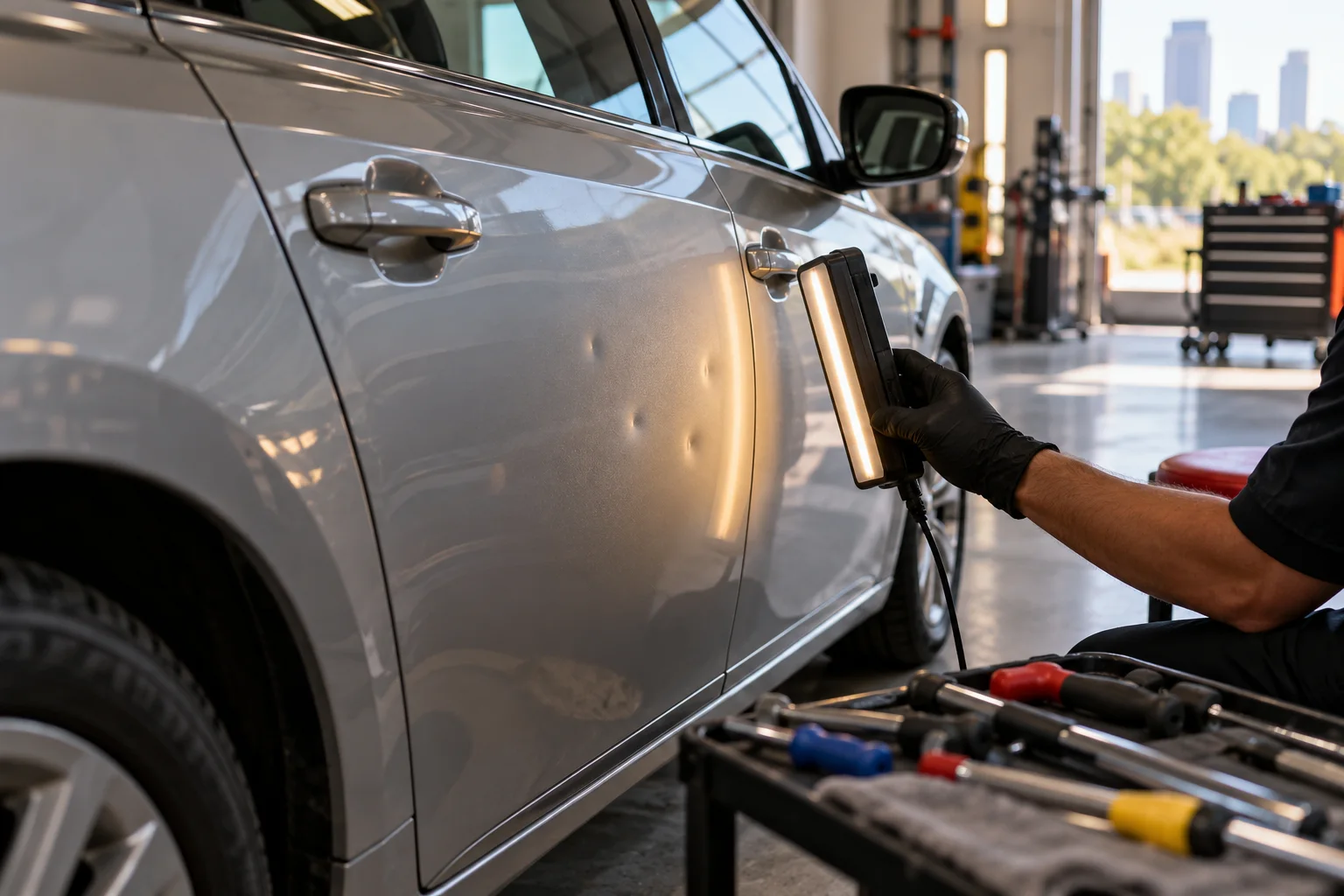
A sudden Texas storm can leave a vehicle covered in small, circular indentations that change the look of the metal instantly. While the damage might seem purely aesthetic, addressing it requires a clear understanding of how you intend to manage the repair and the associated costs. Before you call a specialist, the most effective way to move forward is to gather your own information and prepare a specific set of questions.
Gathering Your Documentation
The first step in any discussion regarding vehicle damage is having your own records ready. If the damage occurred during a storm, locate your policy documents and any recent communications you have had with your provider. For instance, if you are looking into a USAA hail claim Texas, having those specific details at hand allows you to speak more clearly about what occurred. Beyond insurance, take clear photographs of the vehicle from several angles. Note the location of each indentation and whether any specific area of the car, such as a door or a hood, seems more affected than others. Having this visual record ready prevents you from having to rely on memory during a phone call.
Defining Your Repair Goals
Deciding how to proceed often involves a tradeoff between speed and the specific method used to fix the surface. You may want a solution that returns the metal to its original shape without altering the factory finish, or you might prioritize a different approach based on the depth of the impact. For example, if you are seeking dent repair plano tx, you might weigh the convenience of a quick fix against a more detailed restoration process. Ask the technician how they approach different types of impact and what their specific process involves for the areas you have identified.
Asking the Right Questions
A productive first conversation is less about receiving a guarantee and more about gathering details. Instead of asking if a problem can be fixed, ask how the technician evaluates the severity of the indentation. You might ask a professional like Vytas Kucinskas about the specific tools or techniques they use for the types of damage you have documented. It is also useful to ask who will be performing the work on your vehicle and what the timeline for the process looks like. If you are working through an insurance claim, ask the technician how they coordinate with your provider and what documentation they can provide to support your records.
Once you have your photos ready, your policy details organized, and your questions written down, you are prepared to make an informed decision. By focusing on the specifics of your vehicle and the details of the proposed work, you can navigate the repair process with clarity.