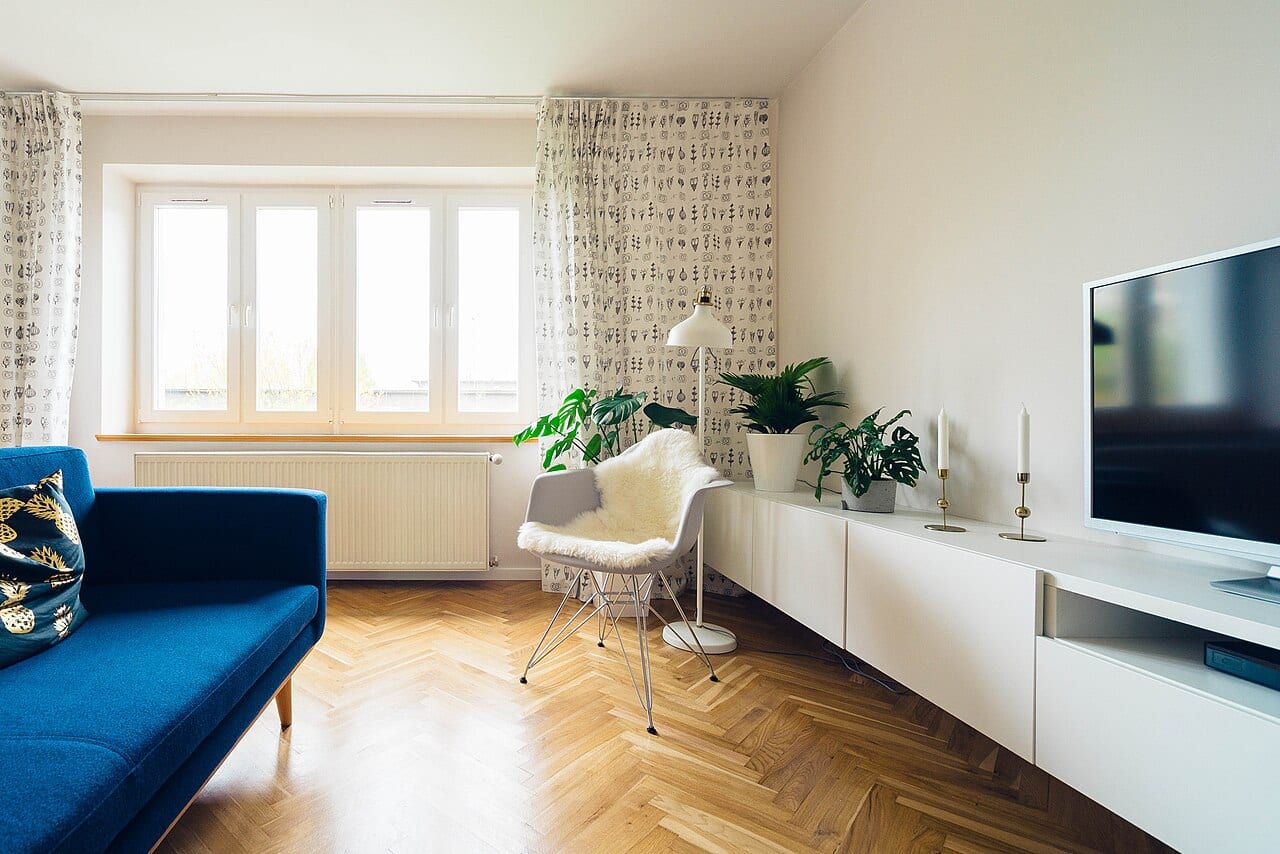
Selecting a dedicated space within a home—whether for a morning reading ritual or a focused afternoon of correspondence—often feels like a momentary impulse. We see a sunlit alcove or a recessed corner and assume it will serve our needs. However, a space that feels serene at ten in the morning may transform entirely by the time the evening rush begins. To make a choice that lasts, one must move beyond intuition and toward observation.
The Value of a Decision Record
For those making significant changes to a home layout or investing in new furniture to anchor a workspace, the impulse is to decide quickly. Yet, the most effective way to choose is to maintain a decision record. This is not a formal ledger, but a personal log of observations that remains understandable even if you revisit the choice months later. A decision record prevents the frustration of realizing, too late, that a chosen spot is subject to predictable disruptions. Instead of relying on a vague feeling of "quiet," a written account allows you to look back at specific patterns. If you find yourself questioning a choice later, you can consult your notes to see if the problem was a one-time occurrence or a recurring environmental factor. This practice ensures that your eventual commitment to a space is based on documented reality rather than a fleeting mood.
Observing the Rhythm of the Room
To build an accurate record, observe the corner during the specific times that matter to your intended use. A corner that seems ideal for a midday desk setup might be right in the path of heavy foot traffic or near a door that frequently swings open. For example, if you are considering a corner in a shared living area, do not just sit there for five minutes. Note how the space reacts when the household is most active. Does the sound of a kitchen appliance or the movement of a pet interrupt your focus? Does the light shift in a way that makes the area uncomfortable after two hours? Recording these specific interruptions provides a clearer picture than a general impression of "business." You might also note the temperature shifts or how the presence of others in adjacent rooms affects the atmosphere of your chosen nook.
Testing Through Movement
Before committing to a permanent arrangement, consider the tradeoff between a fixed installation and a movable setup. A heavy, built-in desk offers stability but limits your ability to pivot if the environment proves unsuitable. A movable setup—perhaps a lightweight table and a comfortable chair—allows you to test various positions within the room. Imagine you have identified a corner that seems promising, but you are unsure if the light is sufficient for reading. Instead of installing permanent shelving or lighting, use a portable lamp and a folding chair. Move them to different points within that corner over several days. This trial period reveals whether the space truly accommodates your routine or if the perceived benefits are merely temporary. This mobility acts as a buffer against making an expensive mistake with permanent fixtures.
Refining the Final Choice
Once you have gathered your observations, review your notes to see if the patterns align with your goals. If you find that a specific corner is consistently interrupted by noise or light shifts, you can decide whether to seek a different area or to adjust your expectations. Ask yourself if the documented disruptions are manageable or if they fundamentally clash with the purpose of the space. Your final decision should be rooted in these recorded realities rather than a fleeting moment of stillness. By looking at your record, you can decide if the corner is a true sanctuary or merely a temporary convenience.