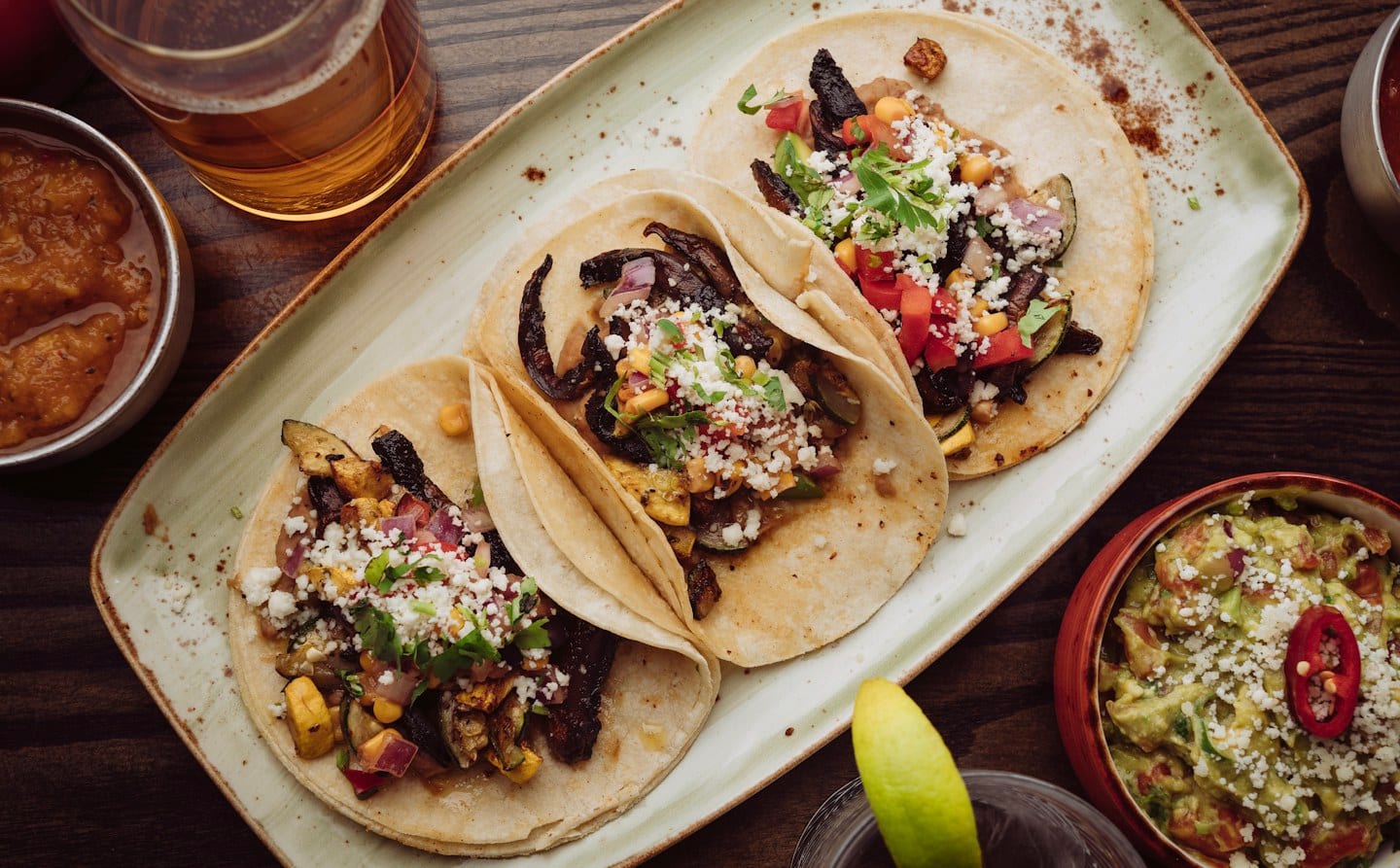
A stack of brown paper bags and a collection of mismatched plastic containers can quickly turn a quiet evening into a logistical puzzle. When ordering from a local kitchen, the goal is often simple: enjoying a meal without the friction of misplaced items or forgotten preferences. However, as orders grow in complexity, the gap between what was requested and what arrives can widen, leaving diners to guess which container holds which specific dish.
The Detail of the Request
Precision begins before the food even leaves the kitchen. When a meal involves specific preferences, the way those instructions are communicated matters. Rather than assuming a kitchen will catch a subtle nuance, it is helpful to be explicit. If you are requesting changes to a standard dish, ask the provider how they handle such modifications and whether those adjustments are noted clearly on the receipt.
For example, if you are ordering for a group with varying tastes, the trade-off involves choosing between speed and specificity. A quick, broad order is easy to place but leaves room for error. A detailed order takes more time to coordinate but provides a clearer roadmap for the kitchen. Imagine you are ordering for four people; one person wants a specific ingredient removed, another wants an extra portion of a side, and a third requires a dressing on the side. In this scenario, the time spent typing out those distinct instructions is the price paid for a meal that matches everyone's individual needs without the need for mid-meal corrections.
Creating a Decision Record
The confusion often peaks not at the restaurant, but at the dining table. Once the bags are opened, it can be difficult to determine which container holds which dish, especially if several items look similar. Creating a record of the order serves as a way to maintain clarity throughout the meal.
Consider the utility of a simple digital or handwritten note that lists each person alongside their specific selections. This serves as a reference point that remains understandable even after the initial excitement of the delivery has passed. If an item appears to be missing or does not match the request, having a written account of what was ordered allows for a direct conversation with the establishment. Ask the restaurant how they verify order accuracy before dispatch and what their process is for addressing discrepancies.
Labeling for the Long Term
A thoughtful approach to takeout involves preparing for the moments after the meal is finished. If you are ordering large quantities or dishes meant to be eaten over several sittings, the lack of labeling becomes a significant hurdle. A container of sauce may look identical to a container of dressing, and a mystery of leftovers can emerge by the following morning.
To avoid this, use the time while the food is fresh to mark your containers. Whether through a simple pen or a piece of tape, identifying the contents and the date provides a level of organization that transforms a chaotic pile of leftovers into a manageable pantry. When you approach your next meal, decide whether you will prioritize the speed of a generic order or the clarity of a documented one. By clarifying modifications with the provider and labeling your selections, you ensure that the decision you made at the time of ordering remains clear until the last bite is taken.