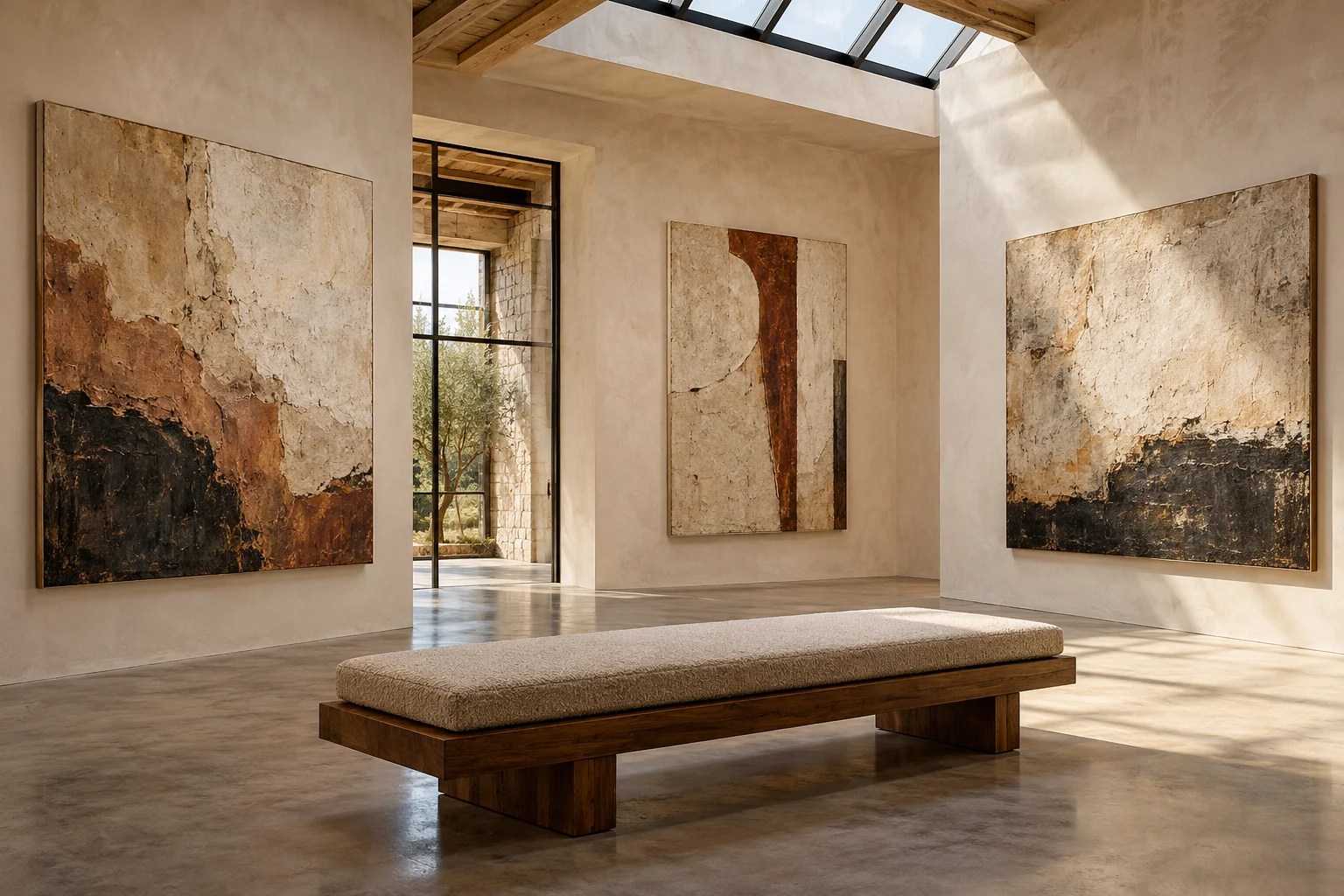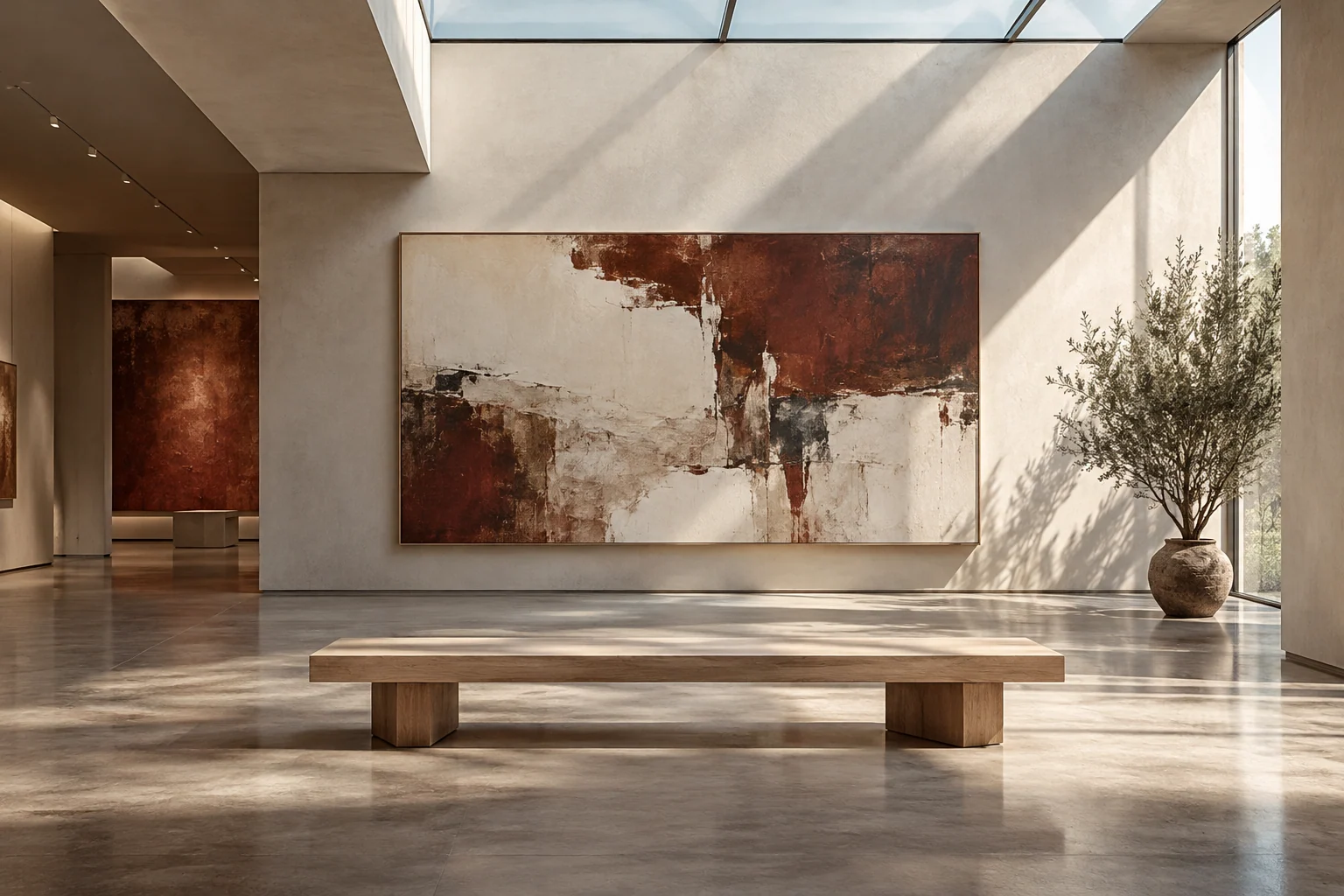
A single, well-curated exhibition can occupy a room with more presence than an entire wing of rotating collections. For those navigating the local cultural landscape, the temptation is often to treat a gallery visit like a checklist, moving quickly from one installation to the next to ensure nothing is missed. However, the decision to prioritize one specific show over a broad survey changes the very nature of the experience.
The Weight of a Focused Choice
Choosing a single exhibition requires a shift in perspective. Instead of measuring success by the number of galleries entered, the goal becomes the depth of engagement with a specific theme or artist. This approach acknowledges that art requires mental space to settle. When you commit to one show, you trade the breadth of a wide tour for the ability to notice the texture of a canvas or the specific way light hits a sculpture.
For example, if you are deciding between visiting a large institution with multiple rotating displays or a smaller venue hosting a single, intensive installation, the tradeoff is between variety and immersion. The larger institution offers a sense of scale and many different visual languages, but the smaller venue might allow you to sit with a single concept until it begins to resonate. The choice depends on whether you seek a survey of trends or a deep dive into a singular vision.
Navigating the Distance
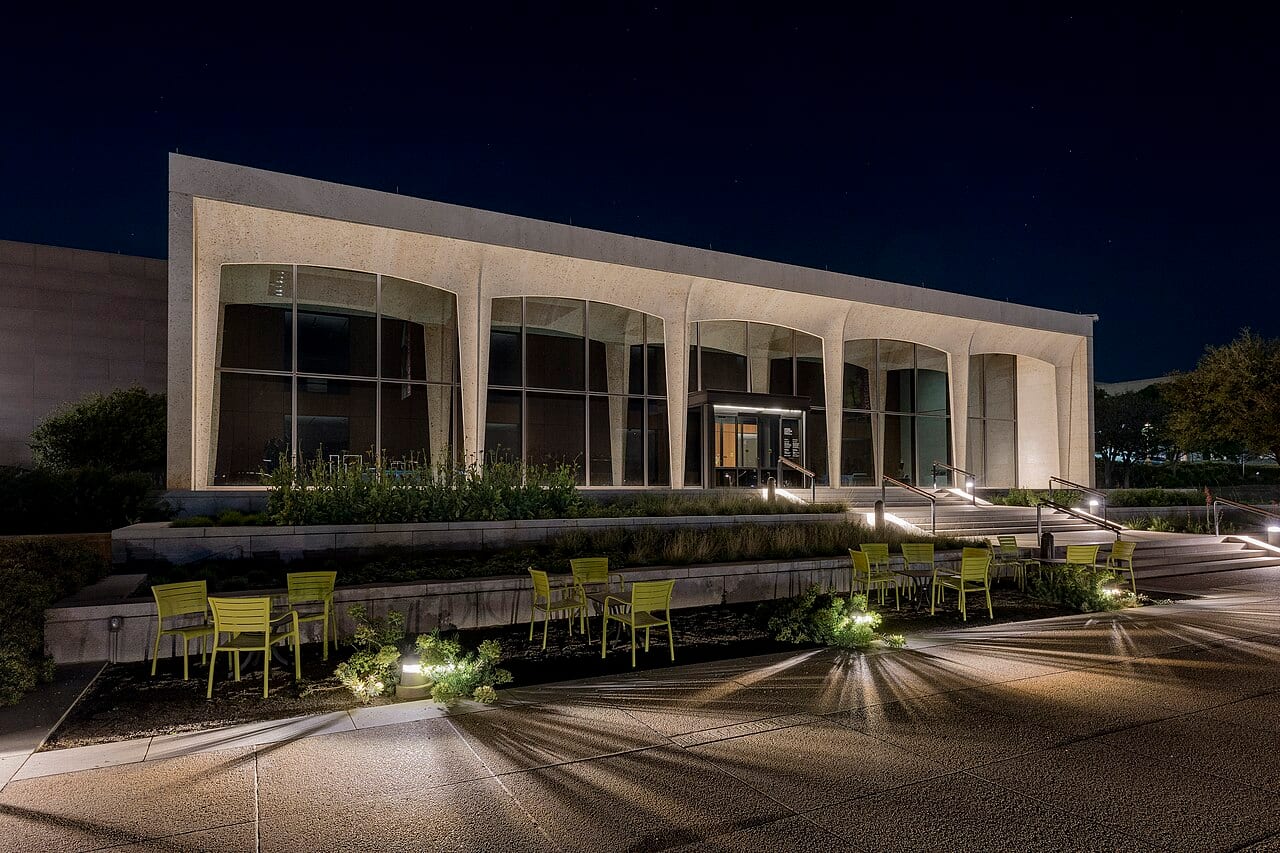
This decision becomes particularly nuanced for those coordinating visits from a distance. If you are planning a trip to Dallas from another city, your time is a finite resource. You might find yourself looking at several different venue schedules online, trying to map out an itinerary that justifies the travel. The pressure to "see it all" can lead to a rushed afternoon spent in transit between locations rather than in quiet observation.
Consider the logistical reality of a remote visitor. You may be weighing the convenience of a central location against the specific draw of a particular artist. Rather than trying to squeeze three different shows into a single afternoon, you might find more value in selecting the one exhibition that aligns most closely with your personal interests and allowing yourself the luxury of an extended stay. This might mean arriving early to avoid crowds or staying late to watch how the gallery atmosphere shifts.
Refining the Viewing Experience
To make the most of a focused visit, observe how the curation directs your movement. Does the arrangement of the pieces force a specific path, or does it invite wandering? Pay attention to the quiet moments between viewing objects. If a particular work catches your attention, ask yourself what specifically about its scale or subject matter is holding your focus.
Before you depart, reflect on whether the singular focus provided the clarity you sought. If you find yourself wishing you had seen more, consider if the issue was the venue itself or the pace of your visit. The most rewarding cultural decisions are often those that prioritize the quality of reflection over the quantity of sights seen.