This is a paid partner contribution. Commercial relationships are disclosed so readers can distinguish sponsored content from editorial guides.
A new sign arrives on a storefront or an office lobby, and the physical work is complete. The visual impact is immediate, but the administrative side of the project often lingers in a pile of loose receipts and digital threads. Managing the records from a custom signage project involves more than just filing an invoice; it requires organizing the specific details that define what was ordered, how it was placed, and who handled the setup.
Organizing the initial details
When starting a project with a south dallas sign company, the early conversations contain the foundation of the work. These often include design sketches, material choices, and specific color requirements. Rather than relying on memory, keep a central folder for these early files. This might include the original digital proofs or the written descriptions of the dimensions and finishes you requested.
For example, if you requested a brushed metal finish for an indoor directory but receive a glossy plastic version, having the original written specification allows you to clarify the discrepancy immediately. The goal is to move from a general idea to a documented set of expectations before the first piece of material is cut.
Managing the installation phase
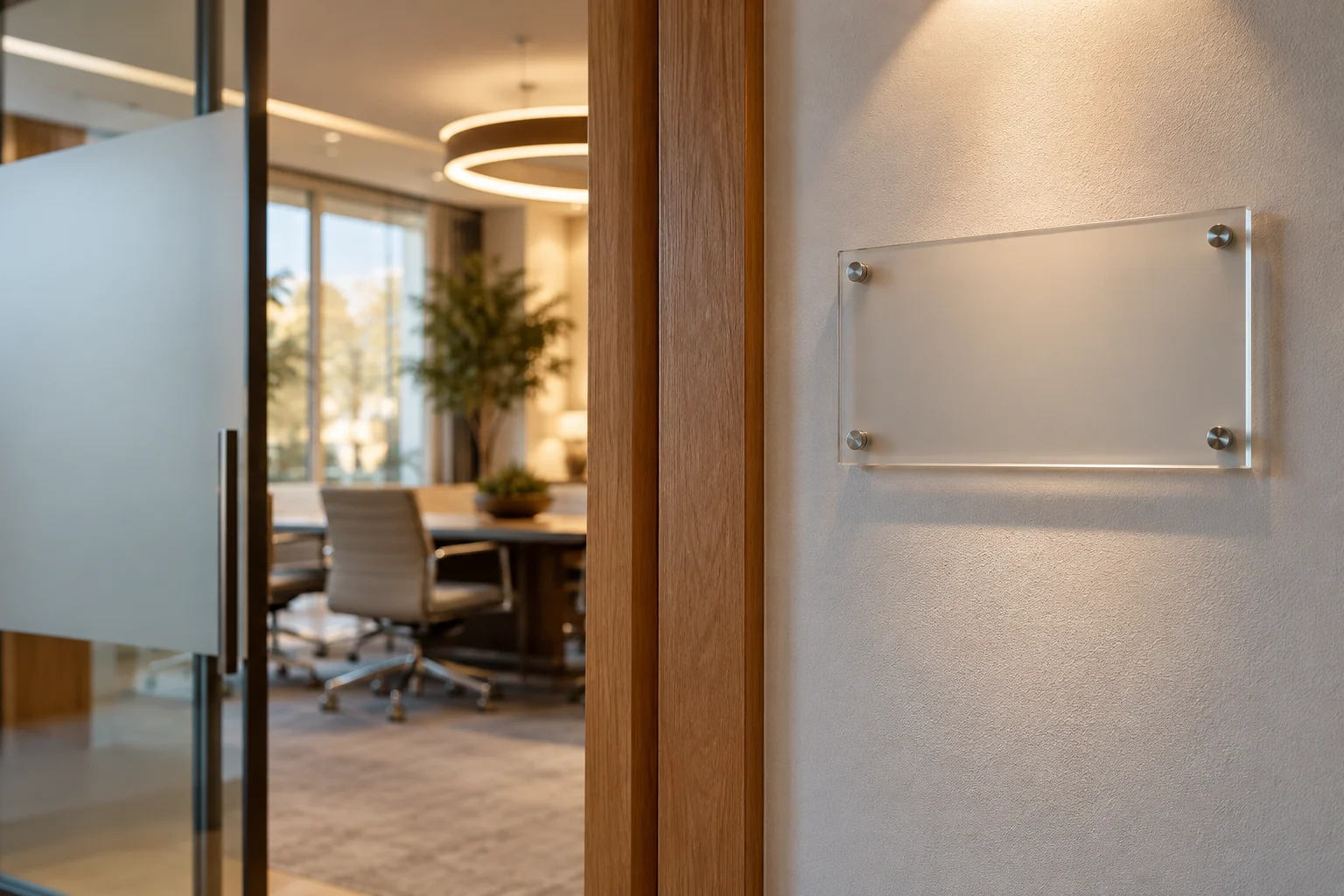
The transition from a manufactured product to a mounted one introduces new variables. When installing signs at shopping centers and office buildings in Dallas, the location and the method of attachment are as important as the sign itself. Documentation during this phase should include photos of the finished installation from multiple angles and notes on how the sign was secured to the building surface.
Consider the tradeoff between a permanent, heavy-duty mounting method and a more temporary, non-invasive option. One might offer more stability for a large outdoor monument, while the other might be necessary if you are leasing a space with strict rules about wall alterations. Keep the records that describe which method was chosen and why it was deemed appropriate for your specific location.
Questions for your records
As the project concludes, certain questions remain important for your long-term files. Instead of assuming how to maintain the new addition, ask the provider how the specific materials used should be cleaned or handled. If the sign involves electrical components or specific mounting hardware, ask what information is available regarding the components used and who to contact if a part needs replacement.
Review your final paperwork to ensure it reflects the actual work performed. Check that the final invoice matches the agreed-upon scope and that any warranties or care instructions are attached to the project file. Having a complete set of design proofs, installation notes, and maintenance questions in one place ensures that you can manage the sign throughout its entire lifespan.


