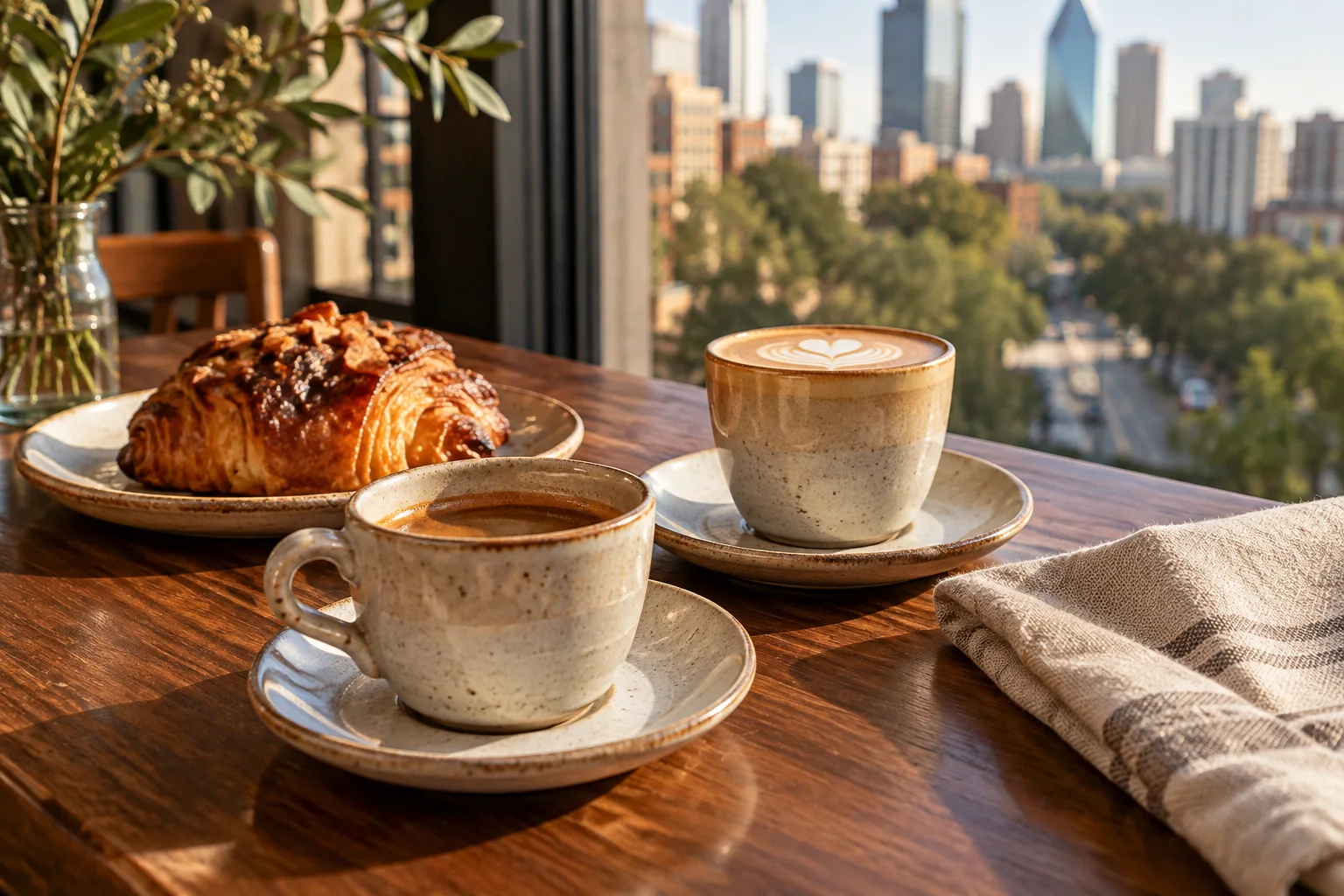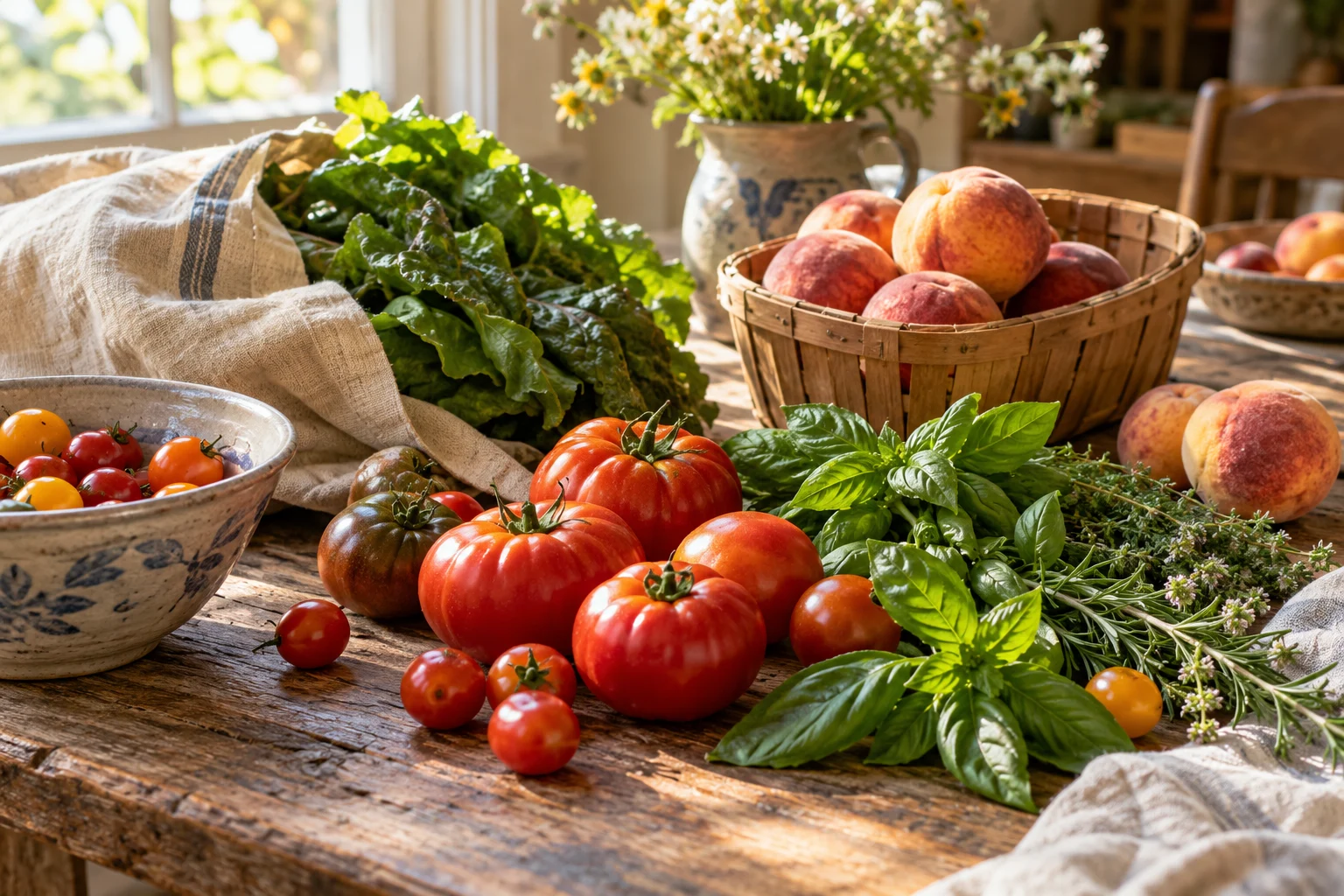
A sudden knock at the door or a last-minute text from a friend often leaves a host staring at a half-empty pantry. When you are preparing for a guest, the pressure to provide something more substantial than a handful of crackers can feel immediate. Instead of a frantic trip to the store, the most efficient approach involves selecting a small, cohesive set of ingredients that offer multiple directions for a meal. This strategy allows you to maintain a calm household environment while still offering a thoughtful experience for your visitor.
The core components
Consider a basket composed of three distinct elements: a crusty loaf of sourdough, a wedge of sharp aged cheese, and a jar of salted olives. These items are sturdy, require no complex preparation, and occupy very little space in a kitchen. They represent a tradeoff between convenience and presentation; while they do not require a stove, the quality of the selection determines the success of the evening. You are choosing items that are shelf-stable or easily stored, which minimizes the risk of waste if plans change.
The strength of this specific grouping lies in its ability to shift based on the time of day or the level of formality you wish to project. You might begin with a light, communal spread, but these same items can be restructured into something more deliberate as the evening progresses. The goal is to have a foundation that works regardless of whether the guest is stopping by for a quick hello or settling in for a long conversation.
Shifting the meal structure
For example, if your guest arrives early in the evening, you might present the ingredients as a shared board. The sourdough is sliced into thick pieces, the cheese is broken into rustic chunks, and the olives are served in a small bowl. This setup encourages slow conversation and a relaxed atmosphere where no one feels pressured to sit for a formal service. It is an informal way to acknowledge the guest's presence without the need for a heavy kitchen commitment.
However, if the visit extends into a proper dinner, the same basket can be reimagined. You might toast the bread to add texture, pair the cheese with a side of fruit if available, and use the olives to add a savory finish to the plate. The transition from a snack to a meal is less about adding new items and more about how you arrange and prepare what you already have on hand. This pivot allows the host to manage their time effectively while still providing a sense of hospitality.
Refining the presentation
The visual aspect of serving can change the perception of the food. A pile of ingredients on a cutting board feels different than those arranged neatly on a ceramic platter. When deciding how to serve, consider the tools you have available. Ask yourself whether the guest prefers a self-serve style or if a plated approach would better suit the mood of the house. You might also consider the lighting or the seating arrangement to complement the food being served.
If you find yourself frequently hosting, you might keep a few of these non-perishable staples in your cupboard. This ensures that the decision of what to serve is made well before the guest arrives. By focusing on a small, high-quality set of ingredients, you resolve the tension of unexpected company with a single, adaptable basket. Choosing these versatile items ensures you are prepared for any social scenario that arises in your home.