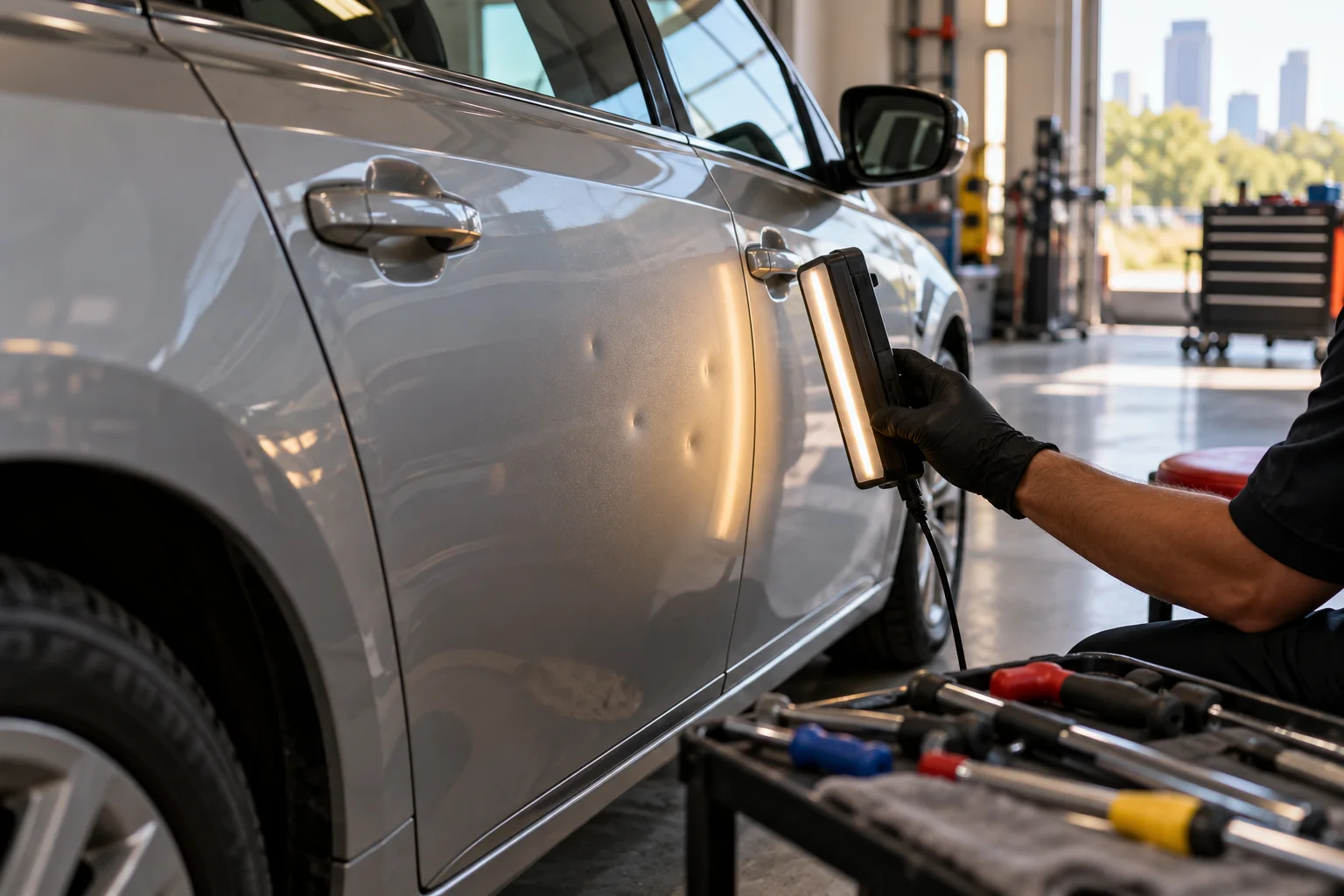
A high-resolution photograph of a pristine, restored surface can be a powerful persuasive tool. For those managing property or coordinating repairs from a distance, these images serve as a digital handshake, offering a glimpse of what a professional can achieve. However, the gap between a curated gallery and the specific reality of your own item is often wider than it appears on a screen.
The limitations of the lens
A photograph captures a single moment in time, often under carefully controlled conditions. Lighting, camera angles, and even the timing of the shot can alter how a finished result is perceived. A bright, direct light might mask subtle textures or imperfections that would be immediately apparent under the ambient lighting of your own home or office. Furthermore, a successful image shows the end state, but it rarely illustrates the complexities encountered during the process or the specific materials used to reach that state.
When evaluating these visual portfolios, consider the context of the work. For example, if you are looking at a series of photos showing restored stone countertops, one image might show a single, small patch, while another shows an entire kitchen. The effort, time, and specialized equipment required for a full-scale replacement are vastly different from a localized repair, even if the final visual result looks identical in a thumbnail view.
Navigating the remote selection
Selecting a contractor or specialist without a physical walkthrough requires a different set of investigative tools. You are balancing the desire for a proven aesthetic result against the uncertainty of how that result applies to your specific circumstances. The tradeoff lies in choosing between a provider with a vast, generalized portfolio and one who can provide specific details regarding the nuances of your particular project.
Instead of relying solely on the visual evidence, use the images as a starting point for deeper inquiry. Ask the provider how the specific techniques shown in their photos would be adapted to the condition of your item. If a photo shows a flawless finish, ask what specific preparatory steps were taken to achieve that look and whether those same steps are applicable to the materials you have described.
Questions for the specialist
To bridge the distance between a digital image and a physical reality, prepare a list of targeted questions. You might ask:
- How do the environmental conditions of my location affect the application process shown in these photos?
- What specific variations in my item's current condition might prevent a result identical to these examples?
- Can you provide details on the longevity of the materials used in these particular projects?
Ultimately, the goal is to move beyond the surface of the image. A professional should be able to discuss the technical realities of your project with the same clarity they use to present their past successes. By shifting the focus from what the photos show to how the work is actually performed, you can make a decision based on process rather than just appearance.


