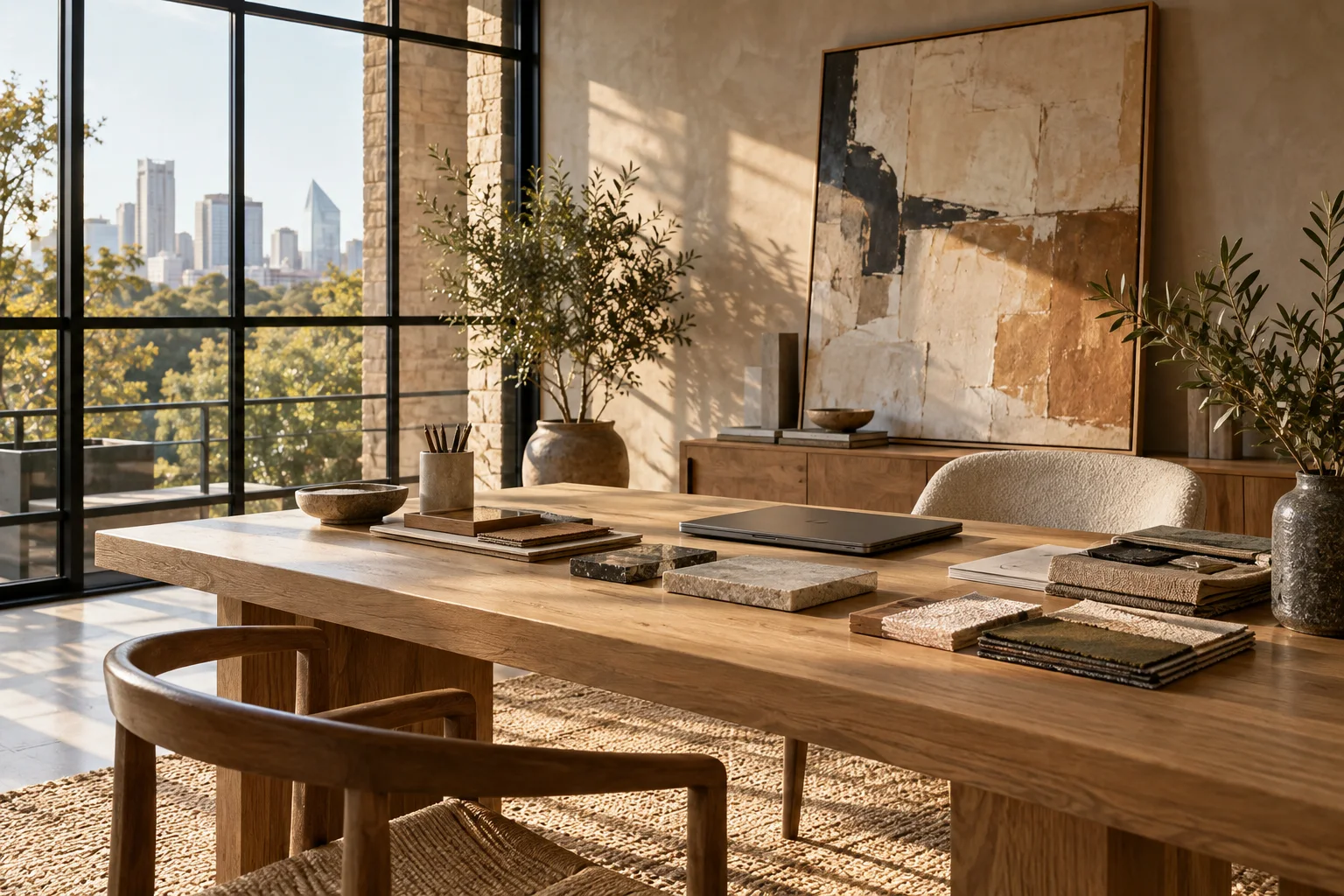
A design concept often begins as a single, striking image: a sleek reception area, a high-concept retail layout, or a centerpiece dining space. These initial sparks are vital, but as a project moves from a mood board into a physical reality, the ambition of the vision can sometimes collide with the practicalities of the space and the people inhabiting it.
The Trap of Personal Taste
When a project begins to feel unmanageable or misaligned with its purpose, the instinct is often to react to aesthetic discomfort. It is easy to mistake a personal dislike for a specific shade of navy or a particular texture for a fundamental design flaw. However, in a professional setting, the primary metric for success is not whether a choice pleases the owner, but whether it serves the intended audience.
A designer requires more than a list of likes and dislikes to course-correct. If the feedback focuses solely on personal preference, the project may drift toward a space that looks exactly how the client imagined but fails to function for its guests or employees. The goal is to move the conversation away from what you want to see and toward how the space should behave.
Defining the User Experience
For a design to be effective, it must be rooted in the specific routines and expectations of its users. A space designed for a quiet, high-end boutique requires a different sensory approach than one designed for a high-traffic, family-oriented cafe. When providing feedback, consider the friction points in the current plan. Is the lighting too harsh for the task at hand? Does the furniture arrangement impede the natural flow of foot traffic? Does the material choice feel too delicate for the volume of people expected to pass through?
For example, if a business owner realizes their planned open-concept office is becoming too noisy to allow for focused work, the solution is not simply to "make it look calmer." The problem is acoustic and spatial. The feedback to a designer should address the need for sound management or visual privacy, rather than just requesting a change in color palette.
Balancing Ambition and Utility
There is a meaningful tradeoff between a high-concept, ambitious design and a highly functional, utilitarian one. An overly ambitious plan may prioritize a "wow factor" that ultimately complicates maintenance or confuses the customer. As you review progress, ask yourself whether every decorative element is performing a secondary function or if it is merely occupying space.
If you find that the project has become too complex, ask your designer how the current elements support the primary goals of the business. You might ask: "How does this specific layout facilitate the movement of our staff during peak hours?" or "In what ways does this material selection address the durability requirements we discussed?" By focusing on these functional questions, you provide the designer with the clarity needed to refine the vision into something both beautiful and useful.


