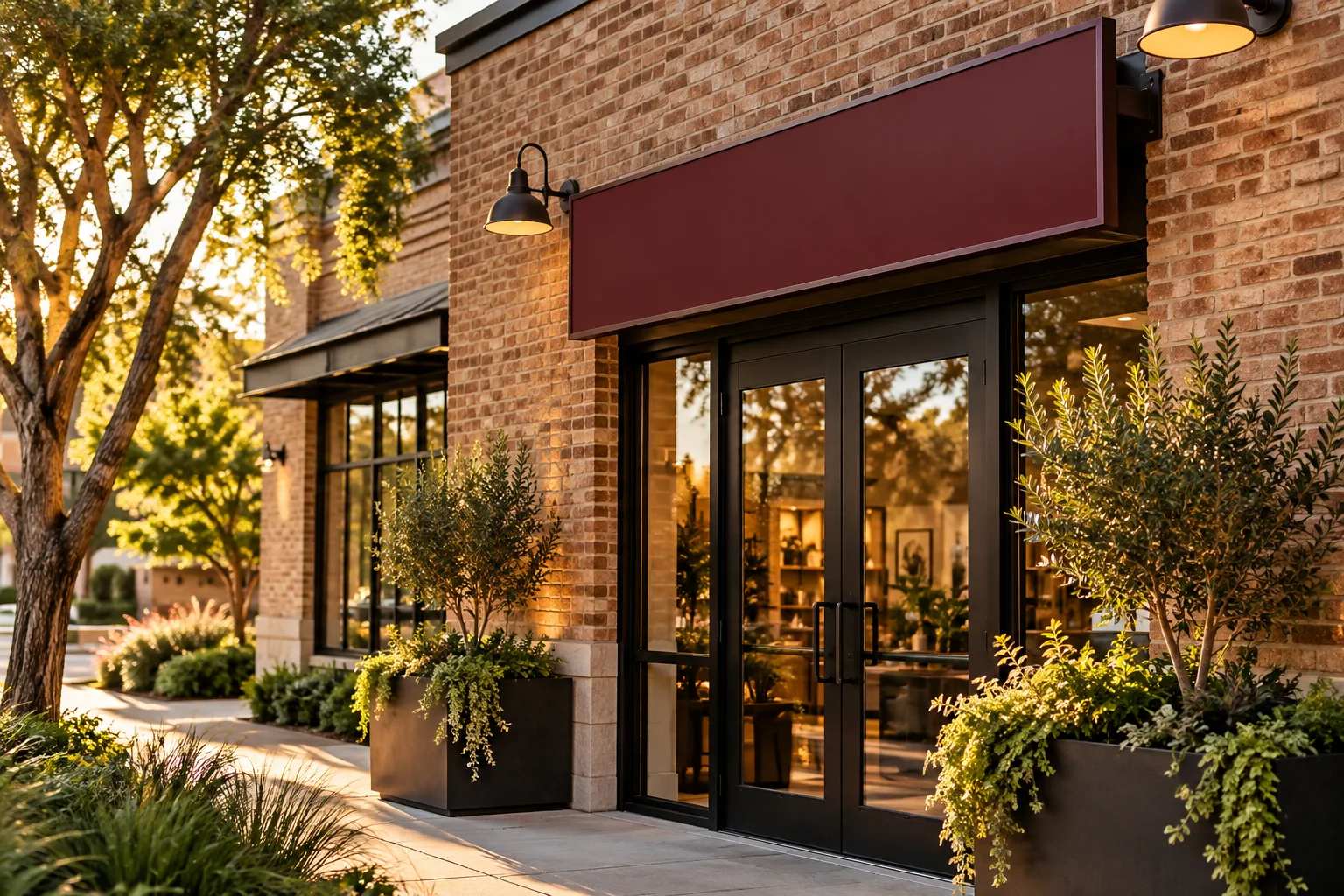
A storefront sign serves as a silent ambassador for a business, communicating brand identity before a customer ever turns a door handle. Whether it is a backlit channel letter set or a minimalist etched glass plaque, the physical manifestation of a name carries weight. For those managing property or business interests from a distance, the process of commissioning these visual markers requires more than just a digital mockup and a budget.
The weight of visual context
When communicating with a sign shop, the details you provide act as the foundation for their technical assessment. A logo file alone rarely tells the whole story. To get an accurate sense of what can be achieved, a provider needs to understand the intended audience and the environment where the sign will live. A high-contrast, bold design might capture the attention of drivers on a busy thoroughfare, whereas a subtle, textured finish might better suit a quiet boutique interior.
Providing high-resolution photographs of the installation site is essential. These images should capture the mounting surface, the surrounding architecture, and the lighting conditions at different times of day. Without these visual cues, a provider is forced to make assumptions about scale and material compatibility that may not hold up once the crew arrives on-site.
Managing the remote selection process
For a business owner or property manager not physically present in Dallas, the tradeoff involves balancing convenience with precision. Remote decision-making allows for a wider search of local talent, but it removes the ability to physically inspect material samples or tactile finishes. You may find a provider whose digital portfolio is impressive, yet the physical reality of their mounting hardware or color matching might differ from your expectations.
For example, if you are overseeing a renovation for a new cafe and are currently based in another state, you might select a vendor based solely on a website gallery. You may envision a sleek, brushed-metal sign that complements the modern facade. However, without a site visit or detailed photographic evidence provided by you, the vendor might quote for a mounting method that requires structural modifications you had not planned for, or a scale that feels dwarfed by the building's entryway.
Clarifying feasibility and requirements
The transition from a creative concept to a physical installation involves several moving parts. Before committing to a design, it is necessary to bridge the gap between the aesthetic vision and the practical reality of the location. Direct inquiry is the most effective tool for navigating these complexities.
Ask the provider how the proposed design accounts for the specific mounting surface shown in your photographs. Inquire about the feasibility of the chosen materials regarding local weather exposure and light visibility. Furthermore, ask which specific approvals are required for this type of installation and who would be responsible for arranging them with the relevant authorities. By centering your inquiry on these logistical realities, you ensure that the final sign is not just a visual success, but a functional one.


