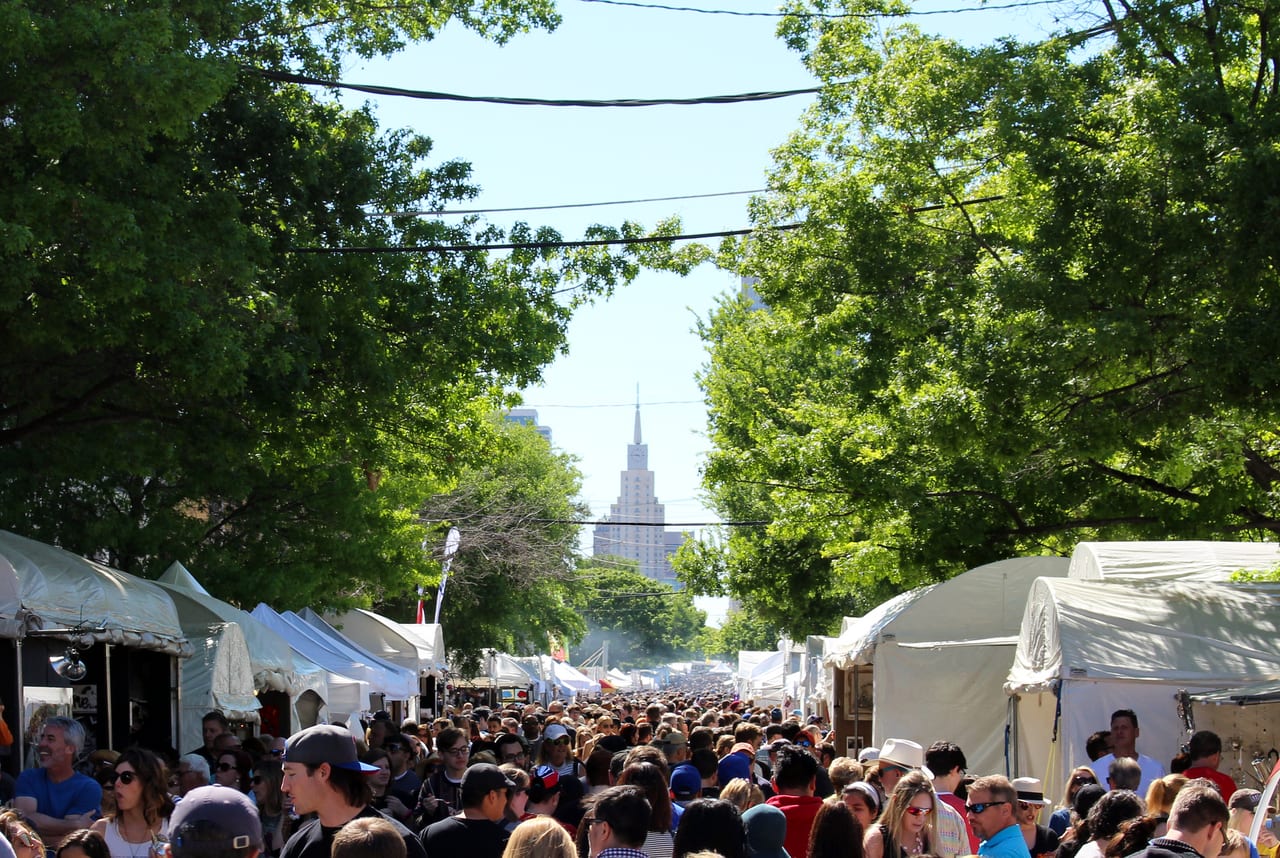
A single ticket to a concert or a seat at a conference is often the catalyst for a much larger logistical undertaking. What began as a straightforward evening in Dallas can quickly evolve into a weekend-long residency involving lodging, dining, and transit. The transition from a fixed commitment to an extended stay is where the most significant friction occurs, particularly when the original ambition of the trip outpaces the actual arrangements on the ground.
Distinguishing Certainty from Assumption
The primary challenge in managing an expanded itinerary is the blurring of lines between what is guaranteed and what is merely hoped for. A confirmed event time is a hard fact, but the ease of getting to that event is often an assumption. When plans grow, it becomes necessary to audit every layer of the trip. Look closely at the gap between your confirmed event entry and your assumed ability to navigate the surrounding area. It is one thing to have a reservation for a hotel; it is quite another to assume that the hotel's proximity to the venue translates to a seamless arrival.
To manage this, you must separate your confirmed commitments from your logistical assumptions. A confirmed booking is a baseline, but the availability of parking, the frequency of local transit, or the walking distance between a hotel lobby and a venue entrance are variables that require direct verification. Without this distinction, an ambitious itinerary can quickly become a series of unfulfilled expectations.
The Tradeoff of Proximity and Space
Expanding a trip introduces a fundamental tradeoff: the convenience of being near the action versus the comfort of a more spacious or quiet environment. For example, if you are attending a large-scale festival, you might choose a compact room in a high-traffic district to minimize travel time. However, this choice often means sacrificing quietude and perhaps paying a premium for a smaller footprint. Conversely, selecting a property further from the center might offer more room and a lower cost, but it introduces the variable of transit duration and reliability.
For instance, imagine you have secured tickets for a three-day summit. Your initial plan was to drive in and out each day. As you realize the late-night sessions and early breakfasts, you decide to book a local suite. Now, you must weigh the benefit of being able to walk to the venue against the potential noise of a central location. You are no longer just managing a schedule; you are managing a series of environmental choices that impact your ability to rest between sessions.
Clarifying the Logistics
Once the decision to extend the stay is made, the focus must shift to the specifics of the new arrangements. Rather than relying on general impressions of a neighborhood or a service, direct inquiries can resolve the tension between your expectations and the reality of the trip. Ask your accommodation provider how they handle guest arrivals during peak event hours and what their policies are for early check-ins or late departures. If you are relying on third-party transport, ask about the most reliable ways to reach your specific destination during high-traffic windows.
By addressing these variables before you depart, you move from a state of planning based on hope to a state of planning based on information. The final step in managing an expanded trip is to review your confirmed bookings against your anticipated movement. Ensure that every transition—from the hotel to the venue, or from the dinner reservation to your lodging—is supported by a verified method of transit rather than a hopeful assumption about local ease. This methodical approach allows the expanded scope of your trip to remain a deliberate choice rather than a logistical burden.