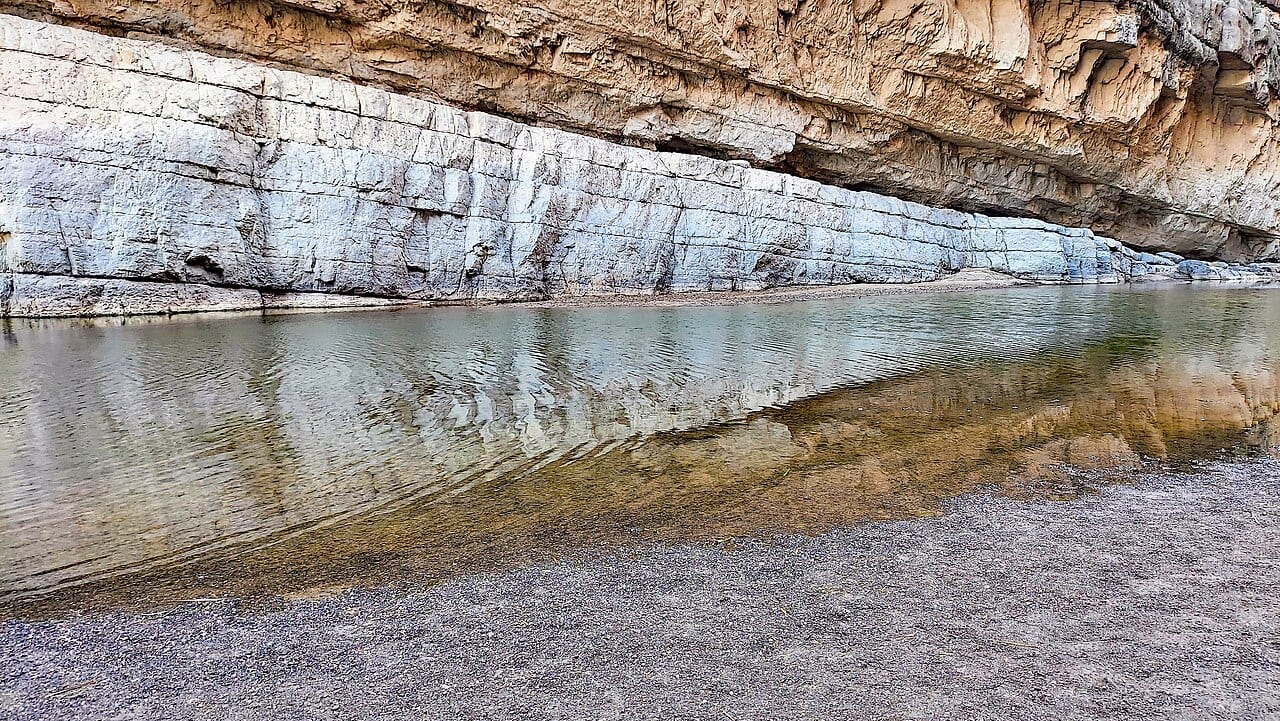
A single, well-chosen destination can anchor an entire day, transforming a drive into a purposeful retreat. Whether the goal is a specific hiking trail, a particular museum exhibit, or a quiet lakeside spot, the strength of the trip lies in the clarity of its intent. Rather than attempting to check off a dozen landmarks, focusing on one main activity allows for a deeper engagement with the surroundings.
The Weight of Remote Planning
For many Dallas residents, the planning process begins long before the car leaves the driveway. You might find yourself sitting at a desk, scrolling through various websites and comparing different locations from the comfort of your home. This remote comparison often creates a tension between the desire for a packed schedule and the reality of a single-interest trip. You may see a list of five nearby attractions and feel a compulsion to visit them all, yet the logistics of transit and timing can quickly erode the enjoyment of the primary goal.
Consider the tradeoff between variety and depth. A trip that attempts to touch upon three different towns and four different activities requires constant movement and rapid transitions. Conversely, a trip centered on one specific site offers the luxury of staying longer if the weather is pleasant or leaving early if the mood shifts. The decision is between the breadth of a tour and the intimacy of a single experience.
Verifying the Essentials
Because digital information can fluctuate, the details you find while planning remotely may not reflect the immediate reality on the ground. A site that appeared open and accessible during your research might have updated its seasonal hours or changed its entry requirements. Before committing to the drive, reach out to the provider directly. Ask if the specific feature or area you intend to visit is currently accessible and what the most current entry protocols are. Confirming these details prevents the frustration of arriving at a destination only to find the primary reason for your visit is unavailable.
The Freedom of an Open Schedule
For example, if you are traveling specifically to view a particular botanical garden, your entire day is defined by those gates. If you arrive and find the gardens are particularly vibrant, you might spend four hours wandering the paths. If the wind is too high or the crowds are too dense, you might decide to spend only forty-five minutes there and then find a local cafe for lunch. By making the garden the only "must-do" item, you remove the pressure of a ticking clock.
To make the most of this approach, decide on your primary destination first, then verify its current status with the provider. Once that foundation is set, allow the rest of your afternoon to be shaped by how you feel in the moment. The most successful day trips are those that prioritize the quality of the experience over the quantity of the stops.