A stack of crumpled receipts and a blurry photo of a menu are often all that remain after a trip. While these scraps capture a fleeting feeling, they rarely provide the clarity needed to recreate a successful experience. For those who value precision in their leisure time, the goal is to move beyond simple journaling and toward creating a functional record of local enterprises and properties.
Separating Fact from Feeling
A useful notebook functions by categorizing information into three distinct streams: confirmed facts, personal observations, and unresolved questions. When you record a date, you anchor that information in time. A confirmed fact might be the exact name of a boutique hotel or the specific hours of a local market. An observation, however, is your subjective experience—the way the light hits the courtyard at noon or the specific texture of a meal. By keeping these separate, you prevent your personal preferences from being mistaken for objective data during your next review.
The Remote Comparison Dilemma
This distinction becomes vital when you are making decisions from a distance. For example, if you are sitting in a Dallas home planning a getaway to a coastal town, you are likely weighing several different rental properties or excursion packages against one another. Without a structured notebook, the nuances of these options can blur together.
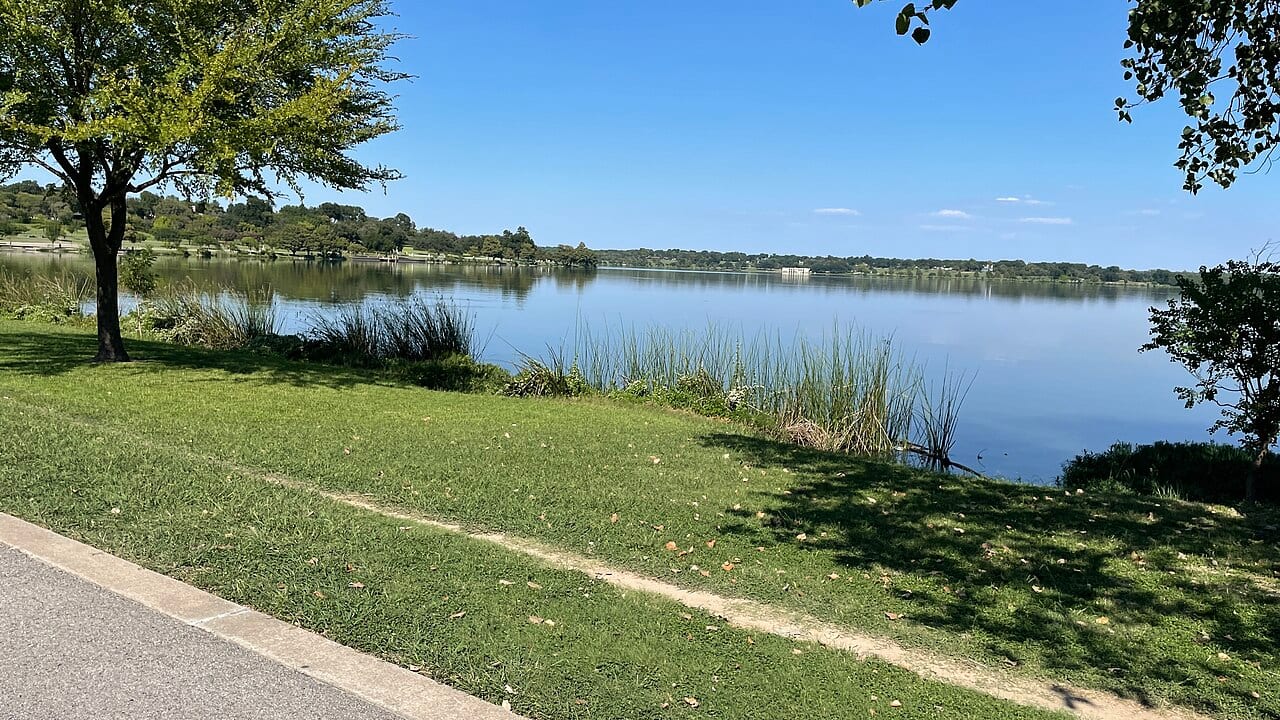
Imagine you are comparing two different lakeside lodges. One lodge features a wide, sun-drenched deck, while the other offers a shaded, more private veranda. If you simply write "nice outdoor space" in your notes, you may struggle to remember which property offered which benefit when you revisit your options a month later. Instead, recording the specific observation—"Veranda on Lodge A is shaded by oaks; Lodge B deck is exposed to direct sun"—allows for a much more grounded comparison.
Navigating the Tradeoffs
Every choice involves a tradeoff between convenience, cost, and character. A central location might mean easier walking access to shops, but it could also mean higher noise levels. When you document these elements, ask yourself how the specific attributes of a place align with your priorities. If you find yourself wondering about a specific amenity, do not leave it to guesswork. Write down the specific question to address during your next inquiry. You might ask a property manager how they manage noise levels or inquire whether a specific service is included in the quoted rate.
The most effective notebook is not a diary of emotions, but a ledger of logistics and sensations. By dating your entries and clearly marking what is a proven detail versus a lingering question, you turn a simple trip into a reliable blueprint. This method ensures that when you are ready to book your next adventure, you are working with a clear, organized map of your own experiences.